• Members 1644 posts
    Sept. 27, 2026, 4:28 p.m.

    Many editors allow one to use Unsharp Mask (USM) selecting pixel radius and amount at least ... but only once, for example RawDigger. Doing it again in those editors replaces the old USM adjustment with the latest one.

    Other editors place new adjustments on top of older ones; so it is that, in those editors, USM can be applied several times which brings an advantage or two. For example, if one has captured an overly soft image, it can be rescued by selecting a largish radius and a lowish amount; which increases local contrast rather than actually sharpening edges. Then go USM again at a smaller radius but larger amount ... and again, say one or two more times reducing the radius and increasing the amount each time.

    Here's an image with USM applied to a selection in the middle four times: 5px, 3 px, 1.5 px, 0.7 px. Amounts somewhat exaggerated for the purpose of illustration:
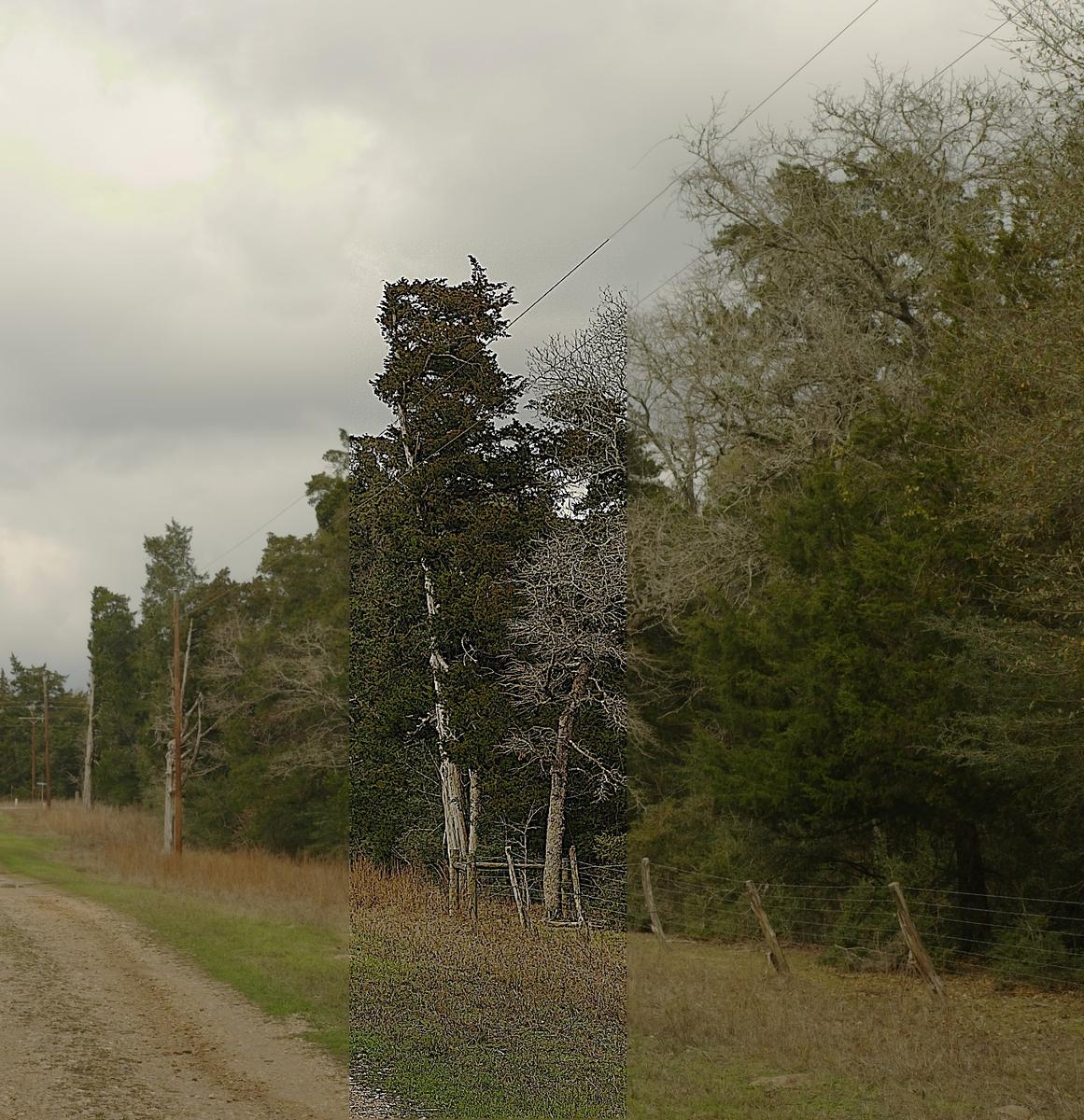
    cedar ridge multi USM 5-3-1.5-0,7 px.jpg

    Comments welcome ...

    cedar ridge multi USM 5-3-1.5-0,7 px.jpg

    JPG, 1.5 MB, uploaded by xpatUSA on Sept. 27, 2026.

  • Sept. 27, 2026, 4:40 p.m.

    Somewhat :)
    Can you also display some not exaggregated results? Sharpening results itself are great, but excessive halos kill good impression.

    My software of the choice (DXO) includes multiple additive sharpening options:

    1. Lens sharpness correction - this is applied based on lens/camera profile, adjustable
    2. USM - configurable
    3. local (area) sharpening - I don't know about algorithm, but I can set it to produse much nastier halos than your approach :)

    Fortunately additional sharpening is rarely needed - camera autofocus plus 50% lens sharpness correction usually works without visible halos.

  • Members 1644 posts
    Sept. 27, 2026, 4:58 p.m.

    Halos were caused by exaggerating the amounts.

    Same selection, lower radii and amounts rescued this overly soft image:
    cedar ridge multi USM 3-1.5-0.7-0.3 px.jpg

    cedar ridge multi USM 3-1.5-0.7-0.3 px.jpg

    JPG, 1.4 MB, uploaded by xpatUSA on Sept. 27, 2026.

  • Sept. 27, 2026, 5:04 p.m.

    This much better, some halos are visible, but not distracting.

  • Members 1644 posts
    Sept. 27, 2026, 5:23 p.m.

    Of course, halos can be avoided by being much more careful with choice of radii and amounts than I was in this thread. In other words, the method itself does not always cause halos.

  • Members 139 posts
    Sept. 28, 2026, 8:27 a.m.

    One is lucky iwhwn using autofocus if the focus point stays where you expected, both my Nikon and Leitz devices have a nasty habit of moving the focus-and spot- metering point when the camera is handled. (Yes faffing around wth the buttonry can replace the point) but usually one wishes to concentrate on the motive, not to study symbols in the viewfinder, hence an occasional need for sharpening.

    Also, if using auto optics and not bothering about specifying aperture, the depth of focus may turn out to have been too shallow.. This can be slightly rectified, but a better alternative is to have full control of the process before the snap by using manual lenses. Time spent before pressing the shutter button (if the situation allows) may be less than that needed to rectify the picture afterwards..

    p.

  • Members 1644 posts
    Sept. 28, 2026, 12:10 p.m.

    Indeed, I often used to get very good micro-contrast results from old M42 lenses mounted on my Lumix DC-G9 and using IBIS and peak focusing. I don't shoot much these days though, due to ill-health.