Kodak DCS 100
A Foundational Milestone in Digital Photography
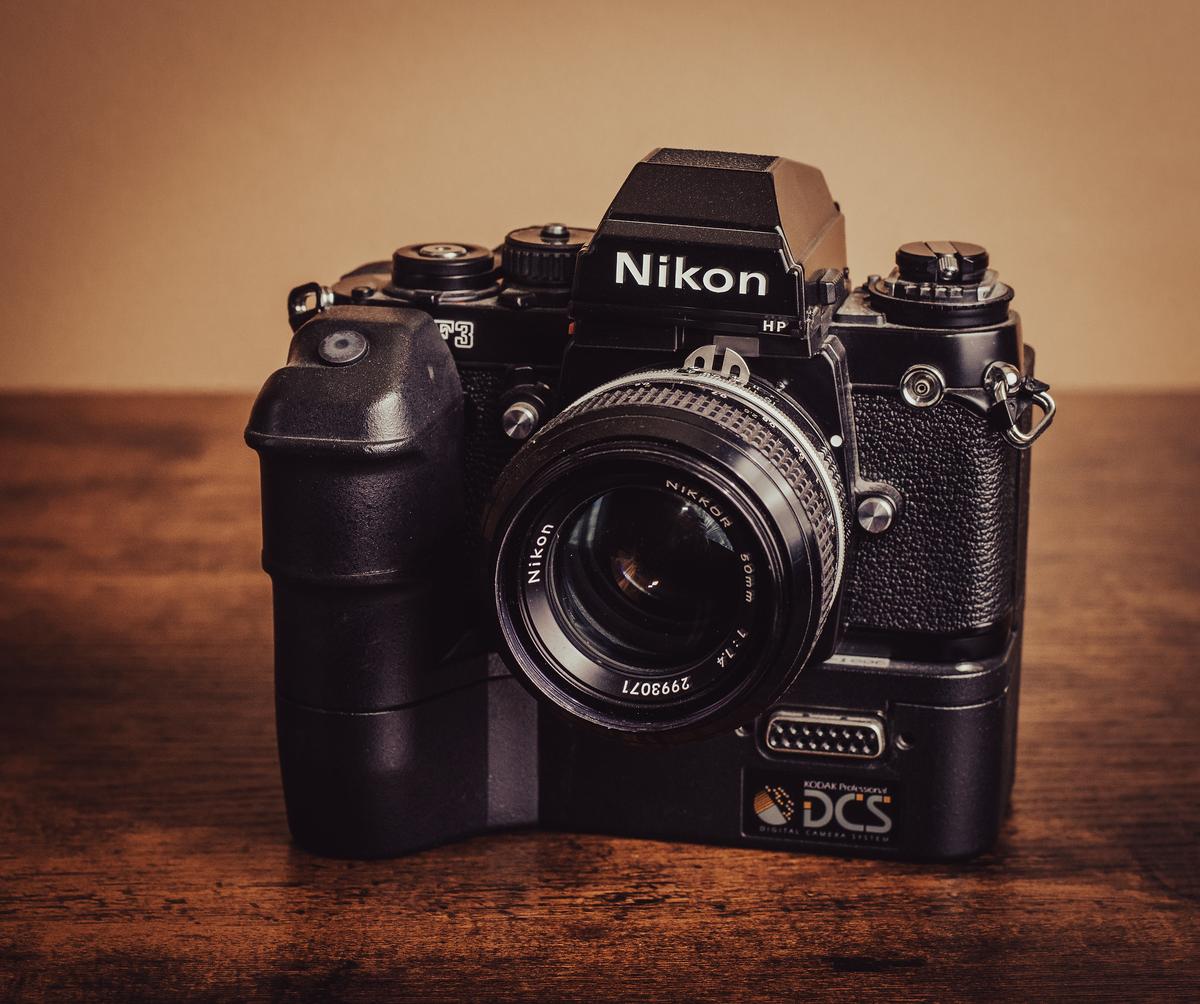
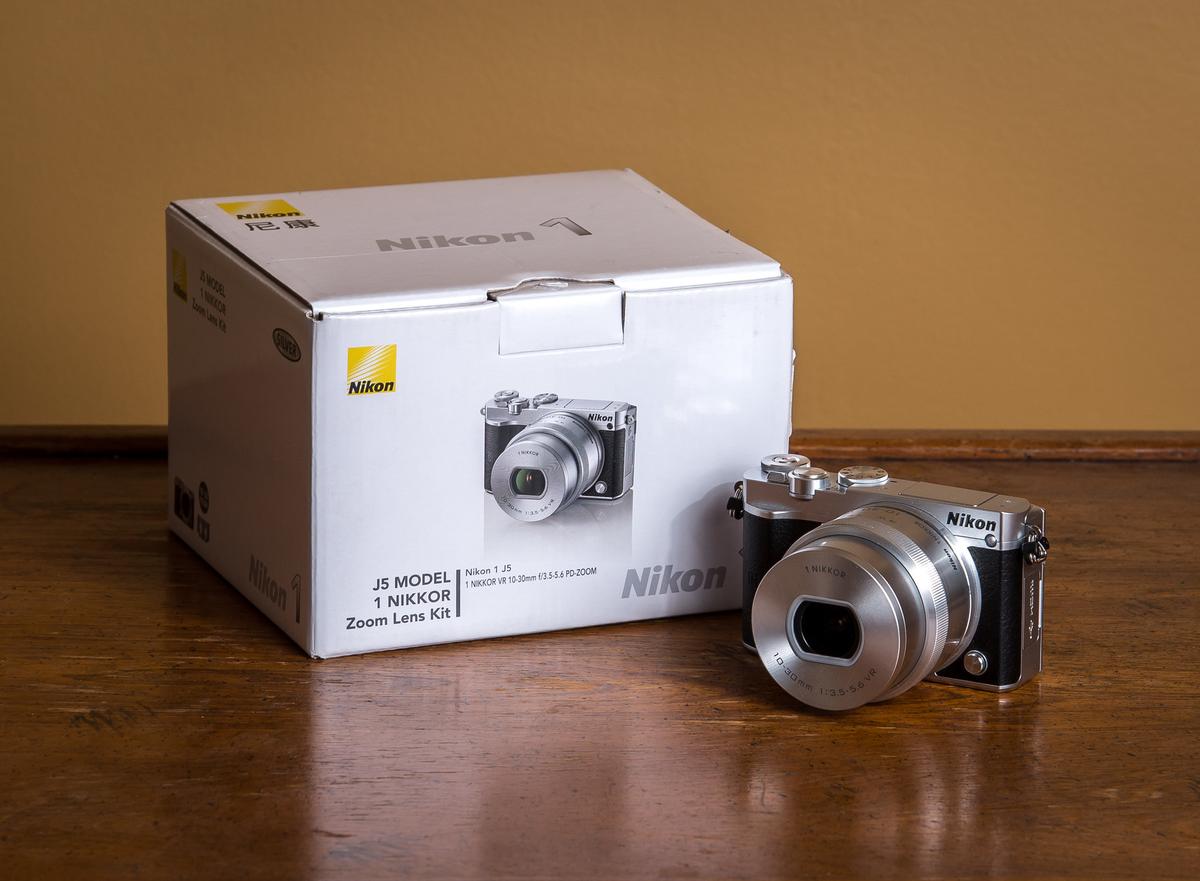
Kodak DCS 100 (1991) / Nikon D500 ( 2016)
www.flickr.com/photos/maoby/albums/72157672960370835
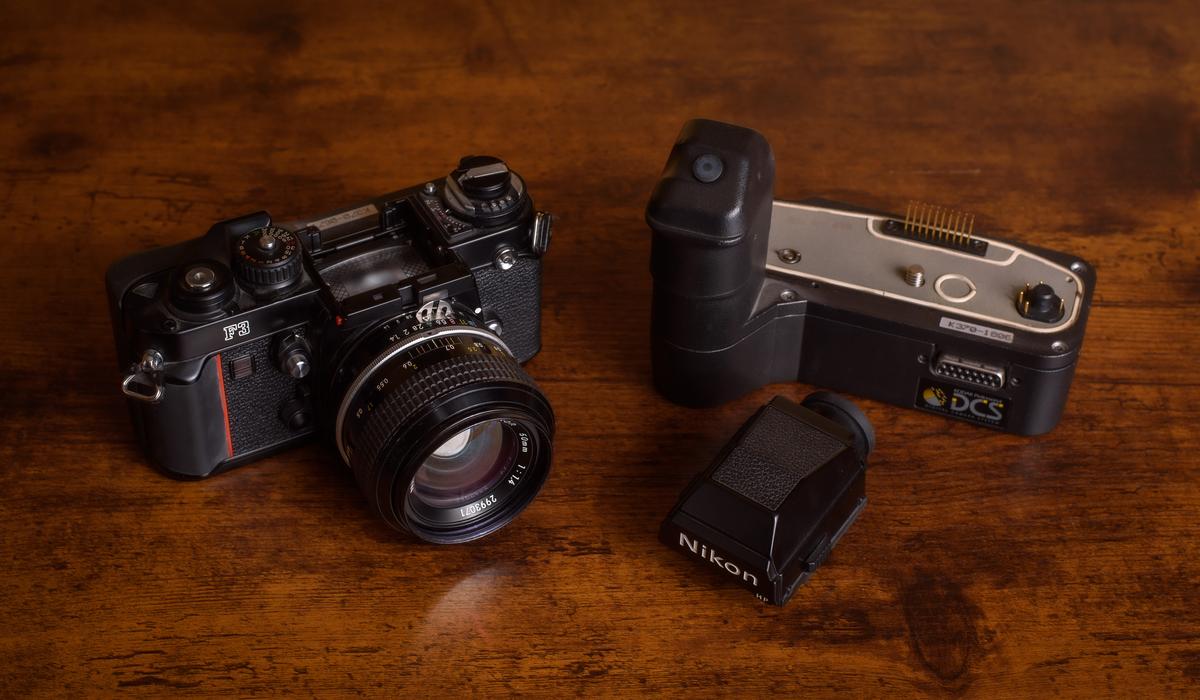
The Kodak DCS 100 occupies a central place in the history of photography and is widely regarded as the first commercially available digital single-lens reflex (DSLR) camera. First presented at Photokina in 1990, it was released to the market in May 1991, marking a major technological turning point in professional imaging.
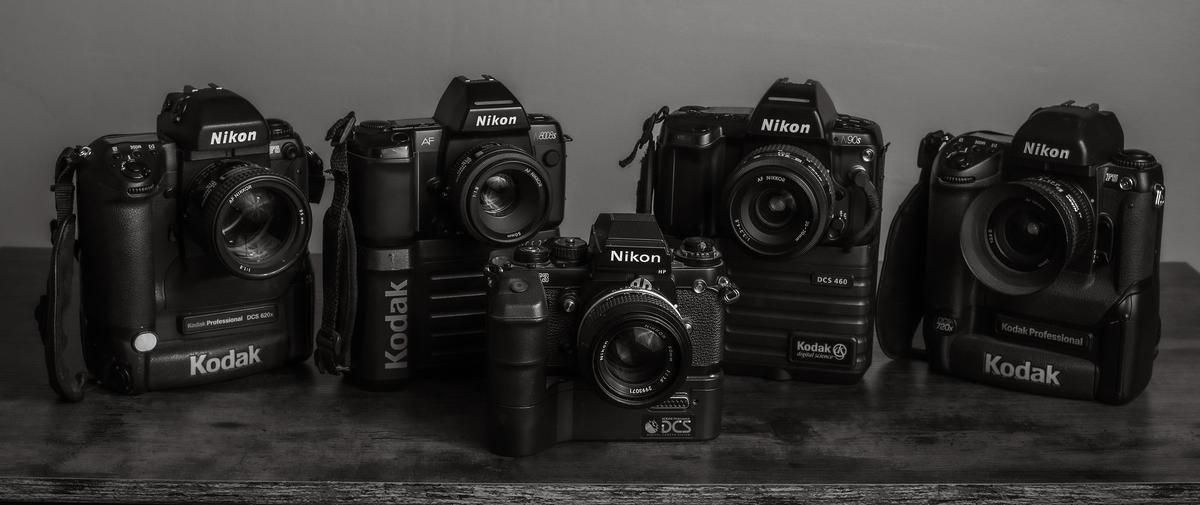
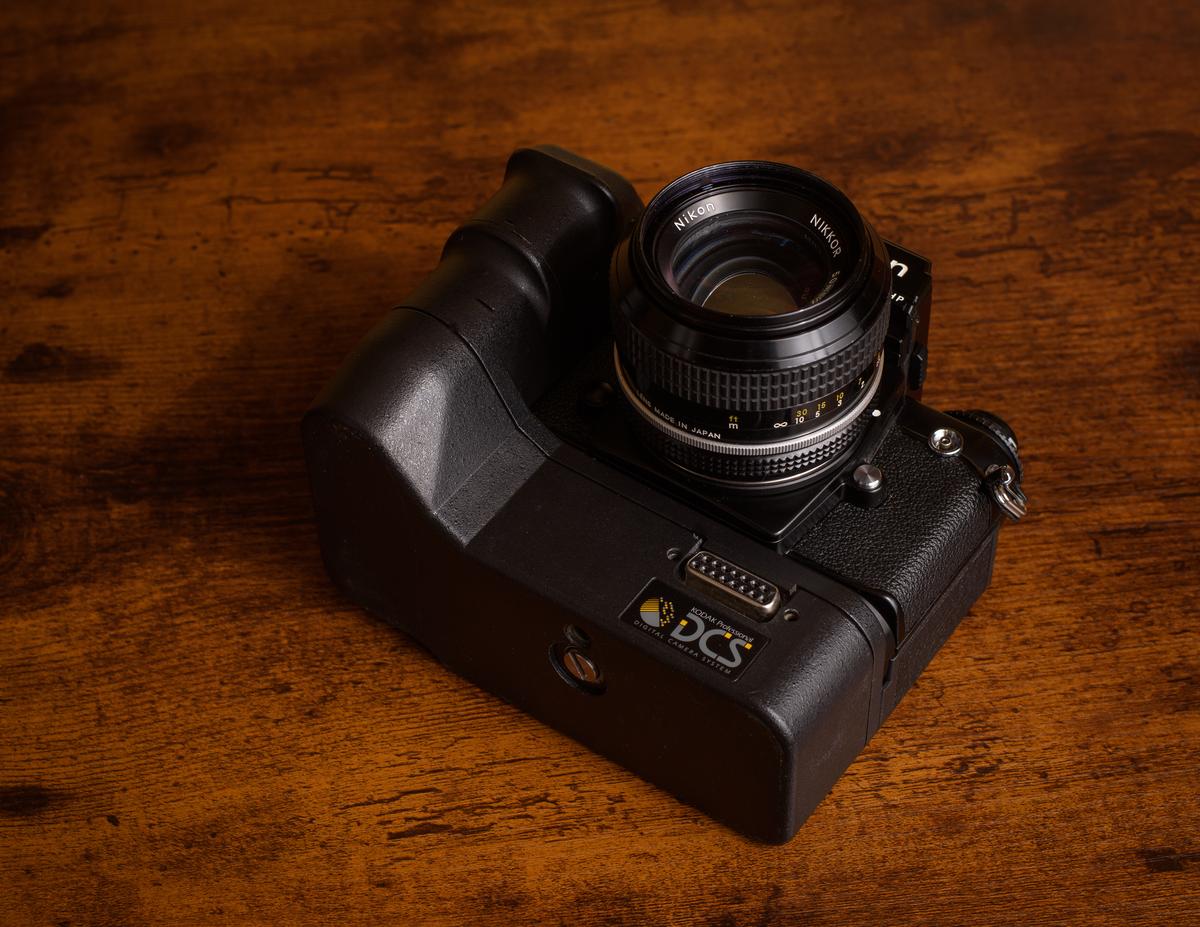
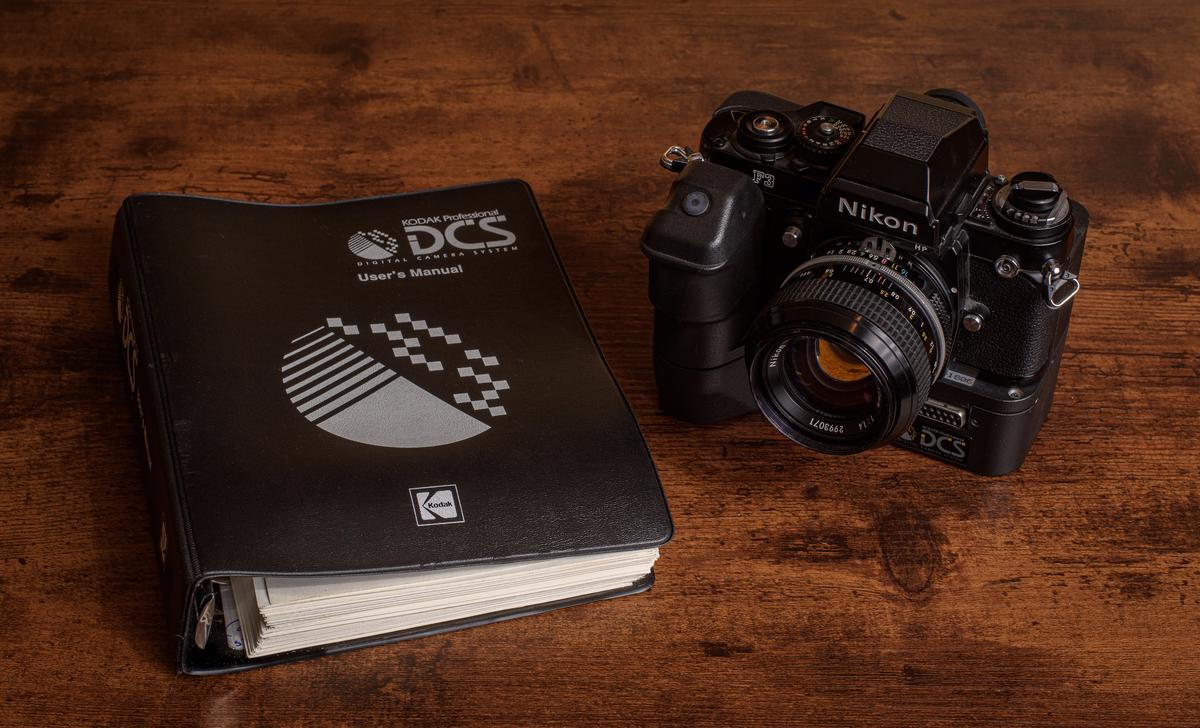
Developed by Kodak using a Nikon F3 camera body, the DCS 100 incorporated a 1.3-megapixel color CCD sensor—a modest resolution by today’s standards, but revolutionary at the time. Unlike the experimental digital still cameras of the late 1980s, the DCS 100 was clearly conceived as a professional tool, both in its ergonomics and in its integration into established photographic workflows.
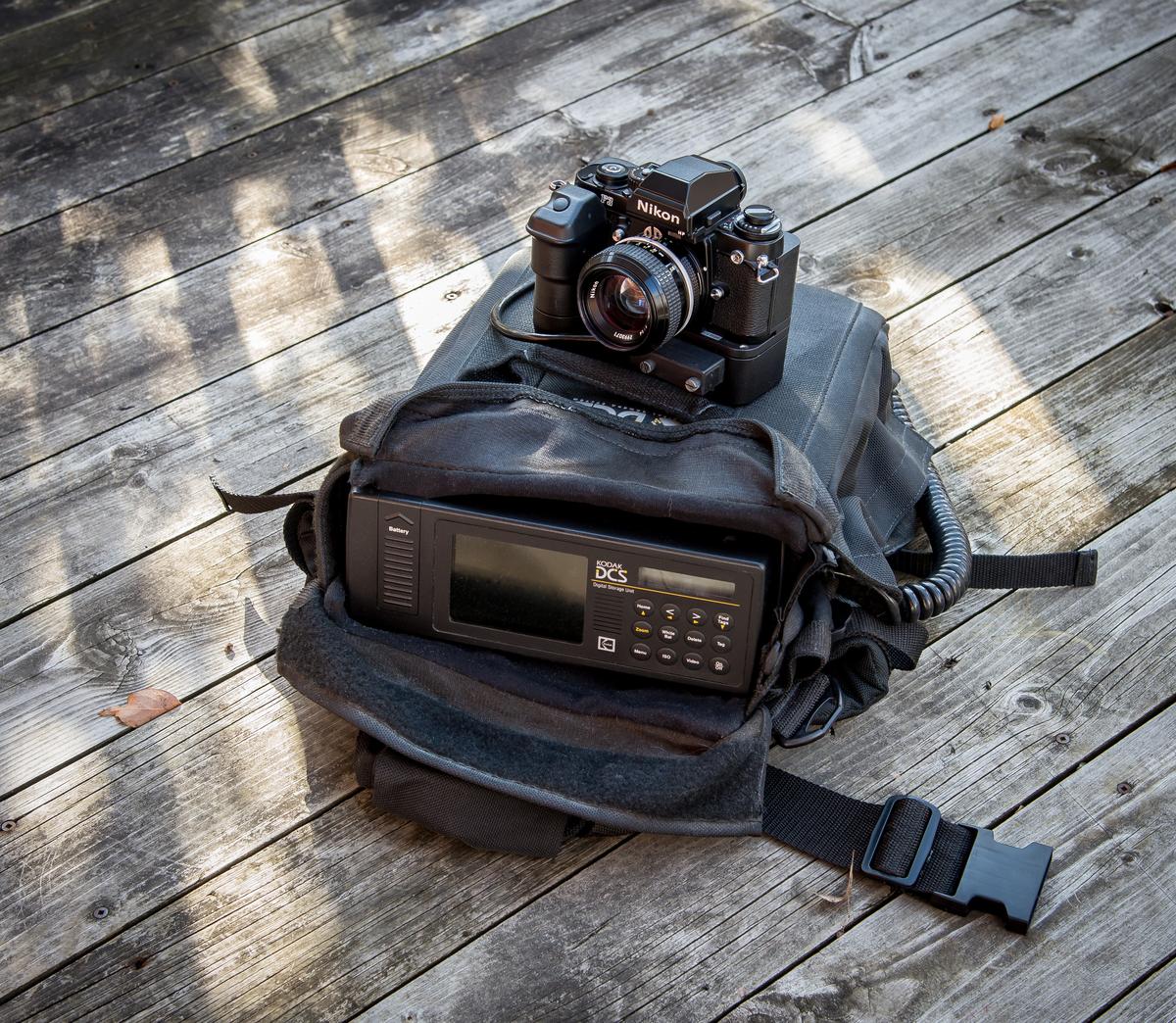
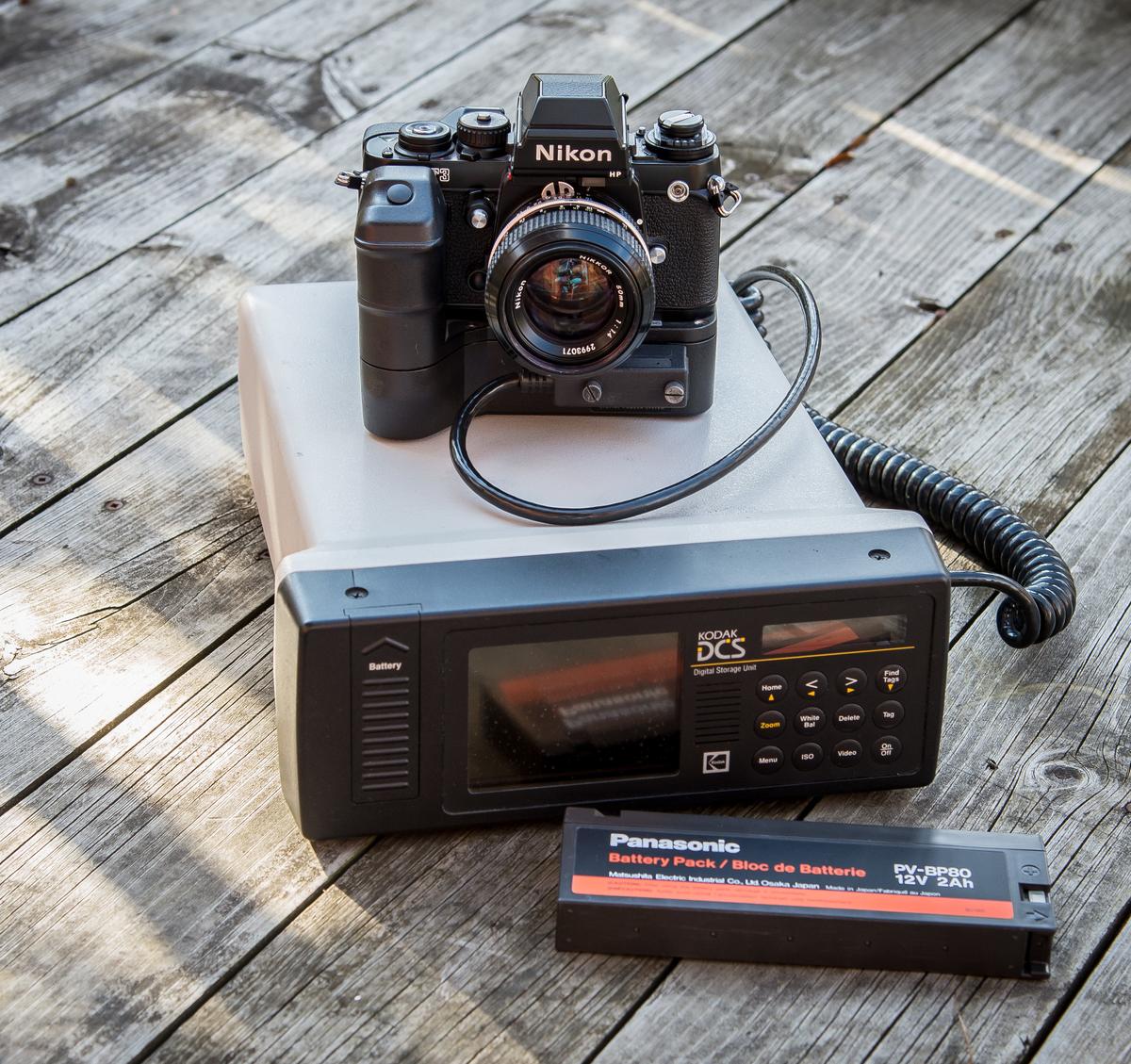
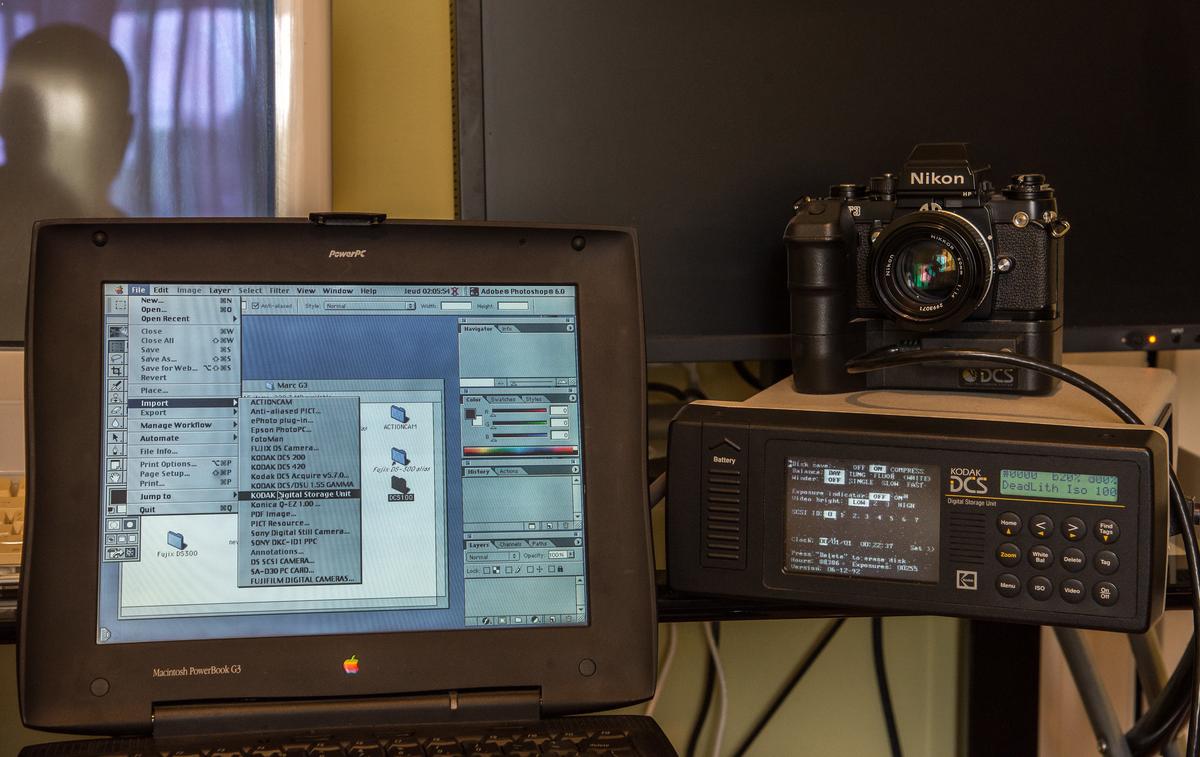
The system was distinguished by an unconventional architecture: image capture occurred in the camera body, while image storage and initial processing were handled by an external Digital Storage Unit (DSU), connected by cable and equipped with a 200 MB hard disk. This configuration allowed the storage of several hundred images, a decisive advantage for press photographers compared to the limitations of film.
Intended primarily for news agencies and photojournalists, the Kodak DCS 100 enabled much faster image delivery and significantly reduced publication lead times. Its price—approximately US $20,000 at launch—restricted its adoption to institutional and professional users. Between 1991 and 1994, an estimated 1,000 units were produced and sold.
Although quickly surpassed in technical terms, the Kodak DCS 100 laid the foundations of the modern DSLR. It demonstrated the practical viability of digital sensors in professional reflex cameras and initiated an irreversible transition toward fully digital photography—one whose consequences continue to shape photographic practice today.
Obsession
www.flickr.com/photos/maoby/albums/72157632746948711/