• Members 1665 posts
    Jan. 13, 2026, 6:02 p.m.

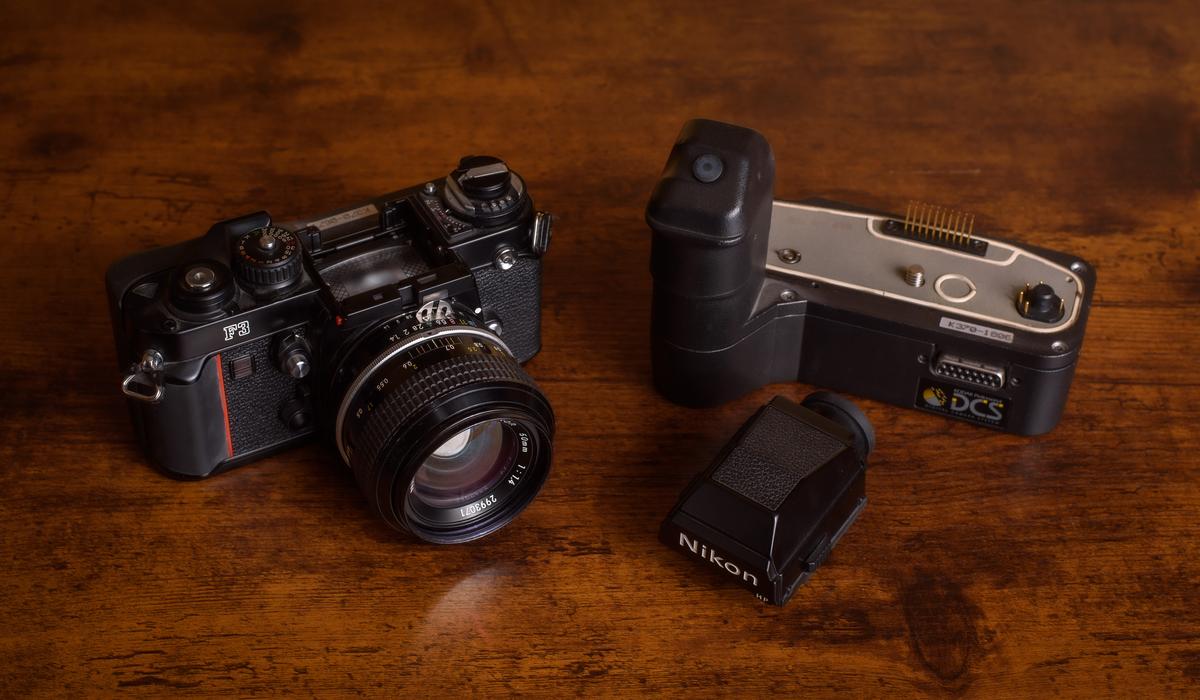
    Kodak DCS 100

    A Foundational Milestone in Digital Photography
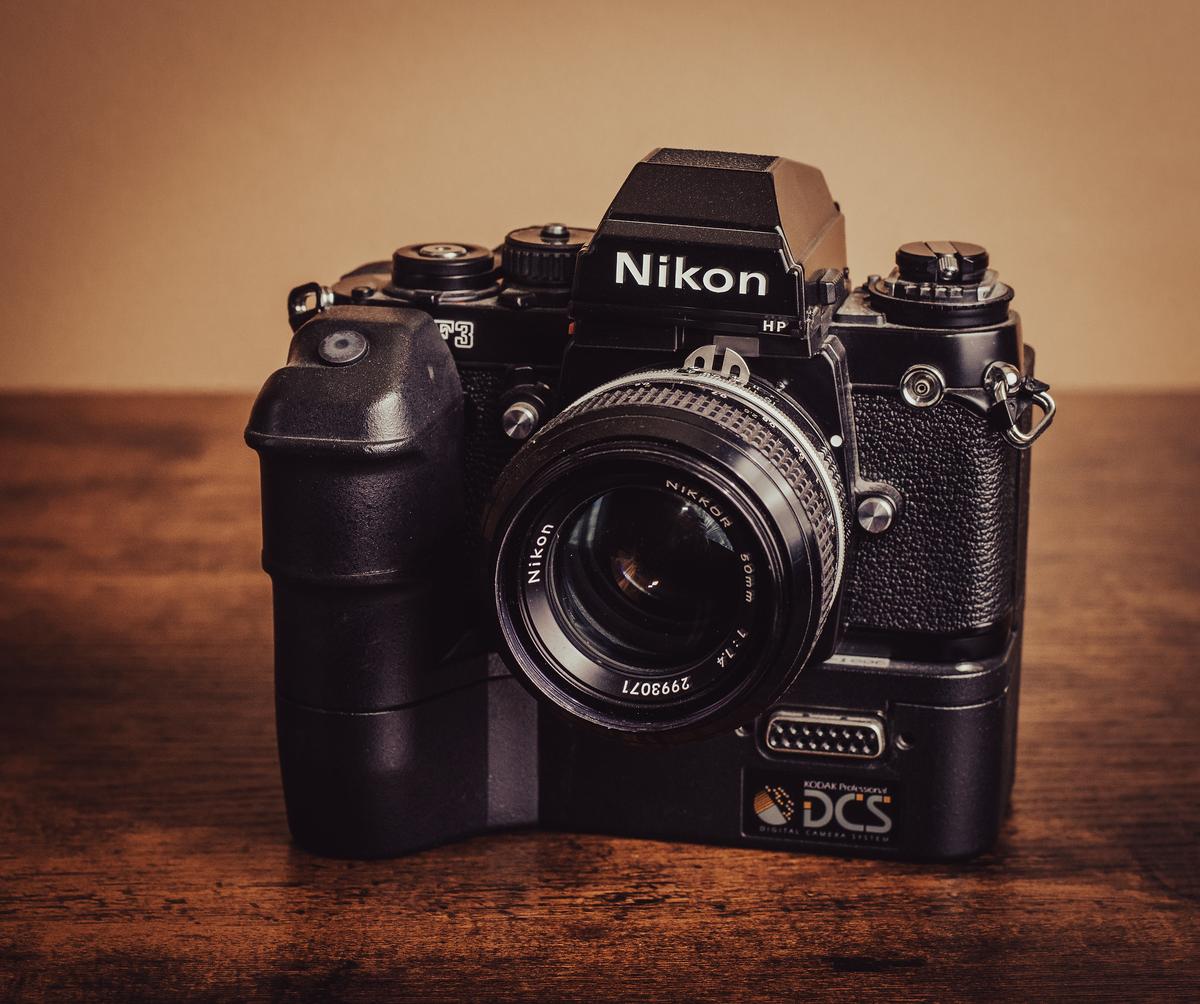
    Kodak DCS 100 Pro Digital Camera (1991).jpg

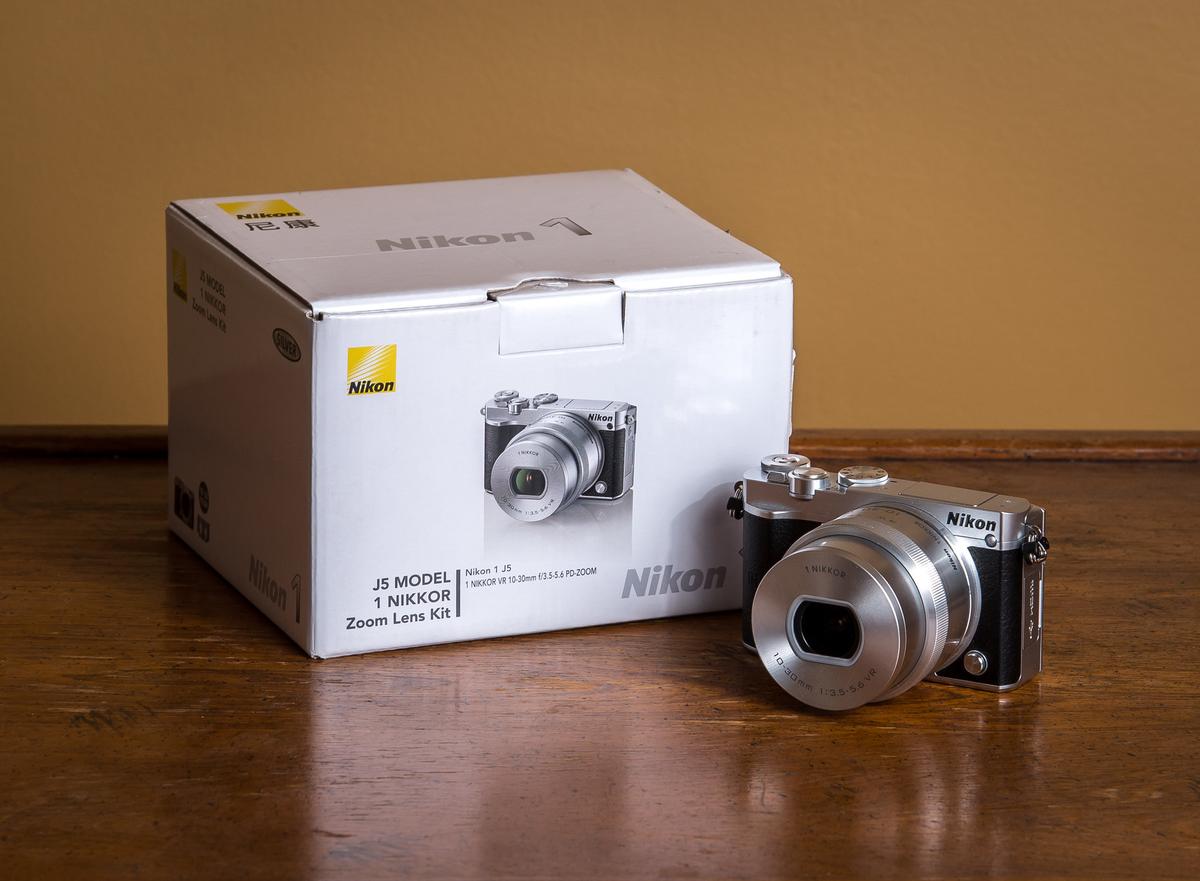
    Kodak DCS 100 (1991) / Nikon D500 ( 2016)
    www.flickr.com/photos/maoby/albums/72157672960370835

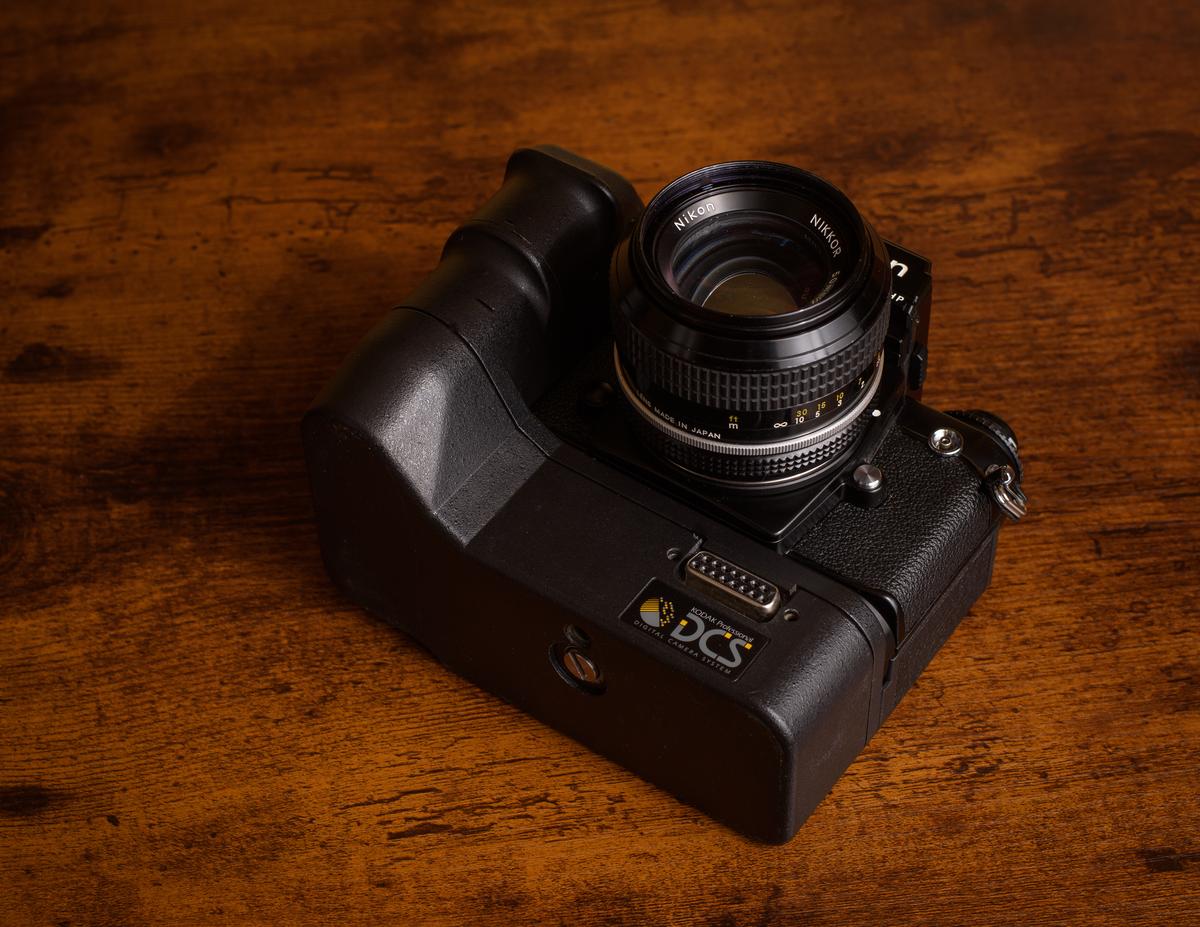
    The Kodak DCS 100 occupies a central place in the history of photography and is widely regarded as the first commercially available digital single-lens reflex (DSLR) camera. First presented at Photokina in 1990, it was released to the market in May 1991, marking a major technological turning point in professional imaging.
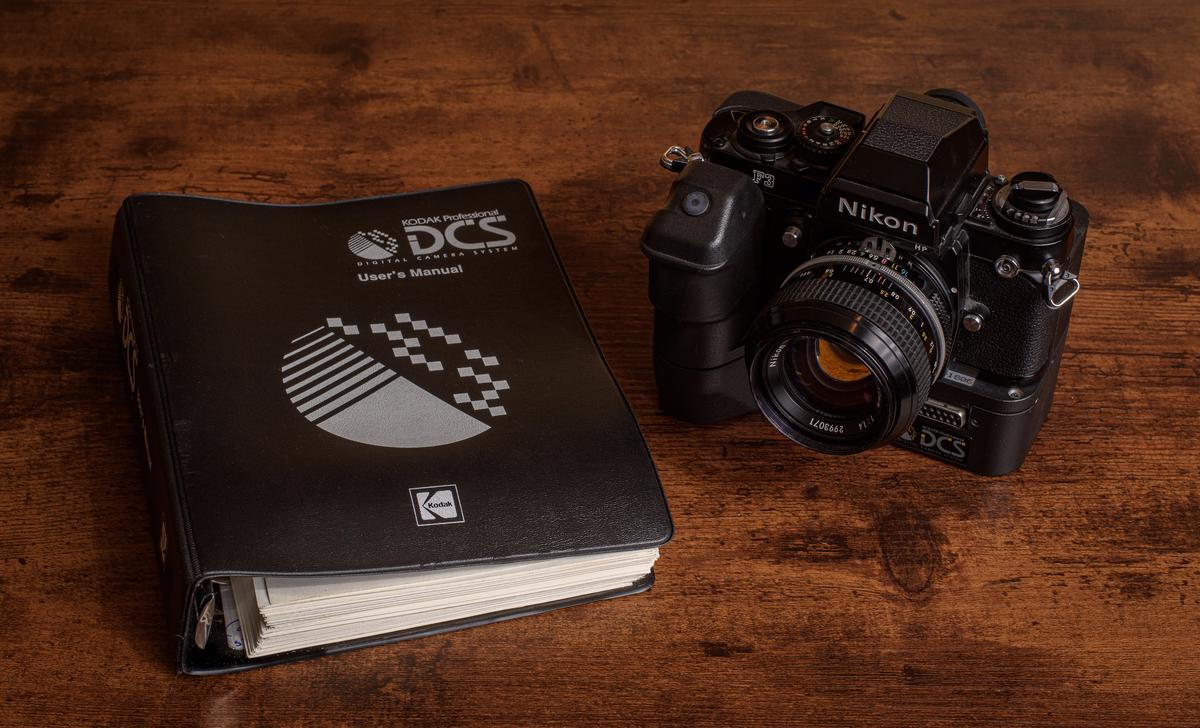
    Developed by Kodak using a Nikon F3 camera body, the DCS 100 incorporated a 1.3-megapixel color CCD sensor—a modest resolution by today’s standards, but revolutionary at the time. Unlike the experimental digital still cameras of the late 1980s, the DCS 100 was clearly conceived as a professional tool, both in its ergonomics and in its integration into established photographic workflows.
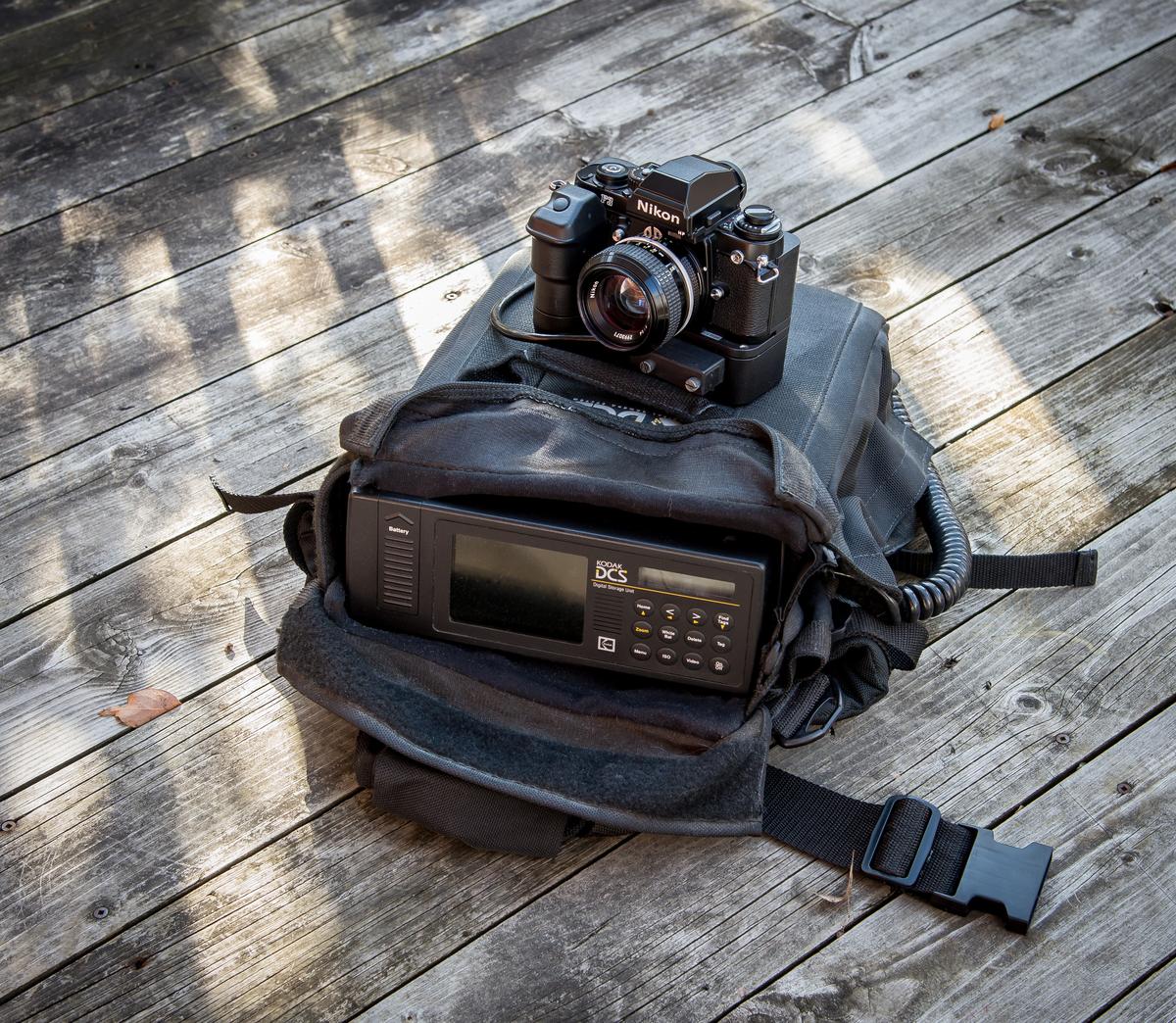
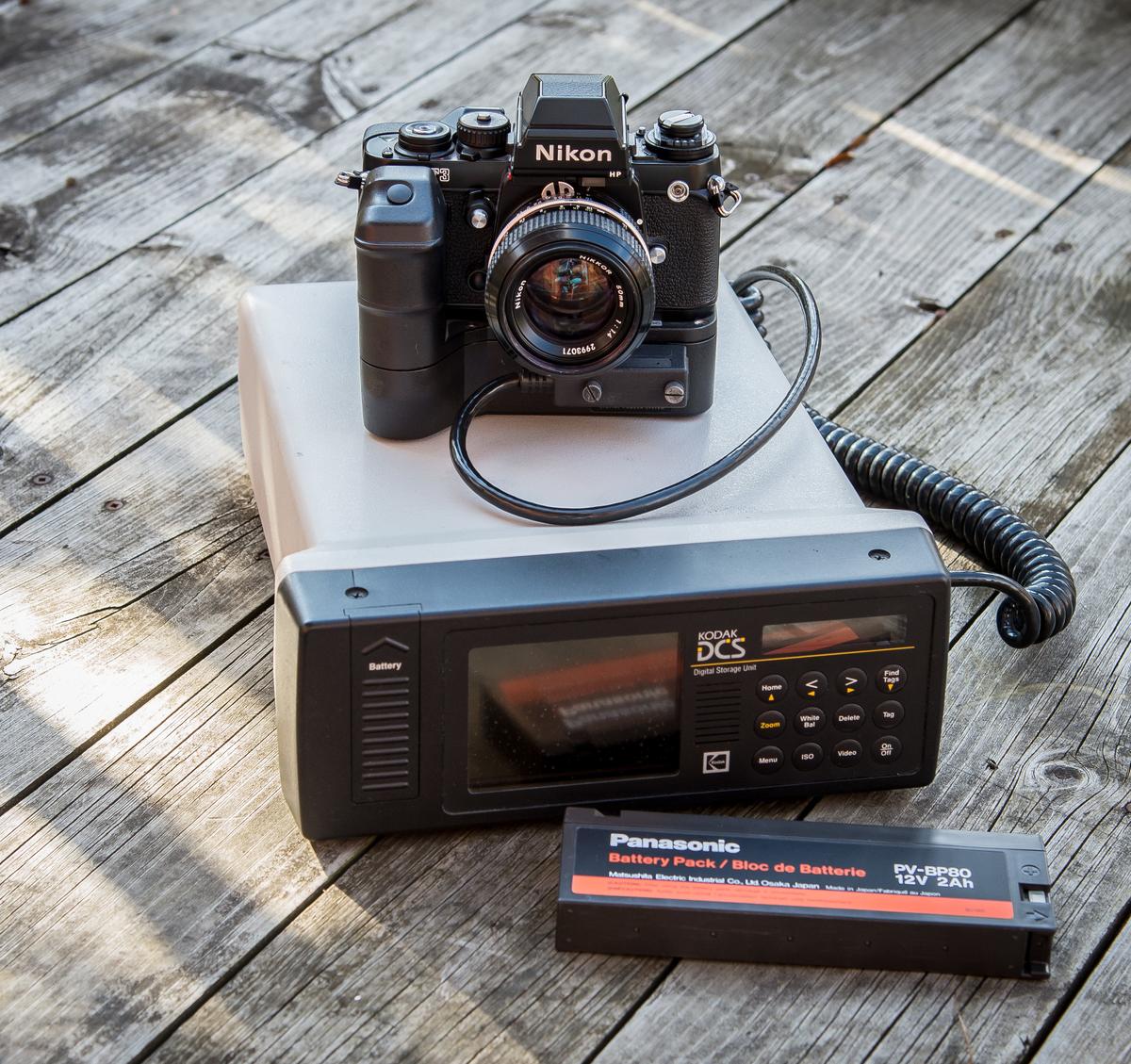
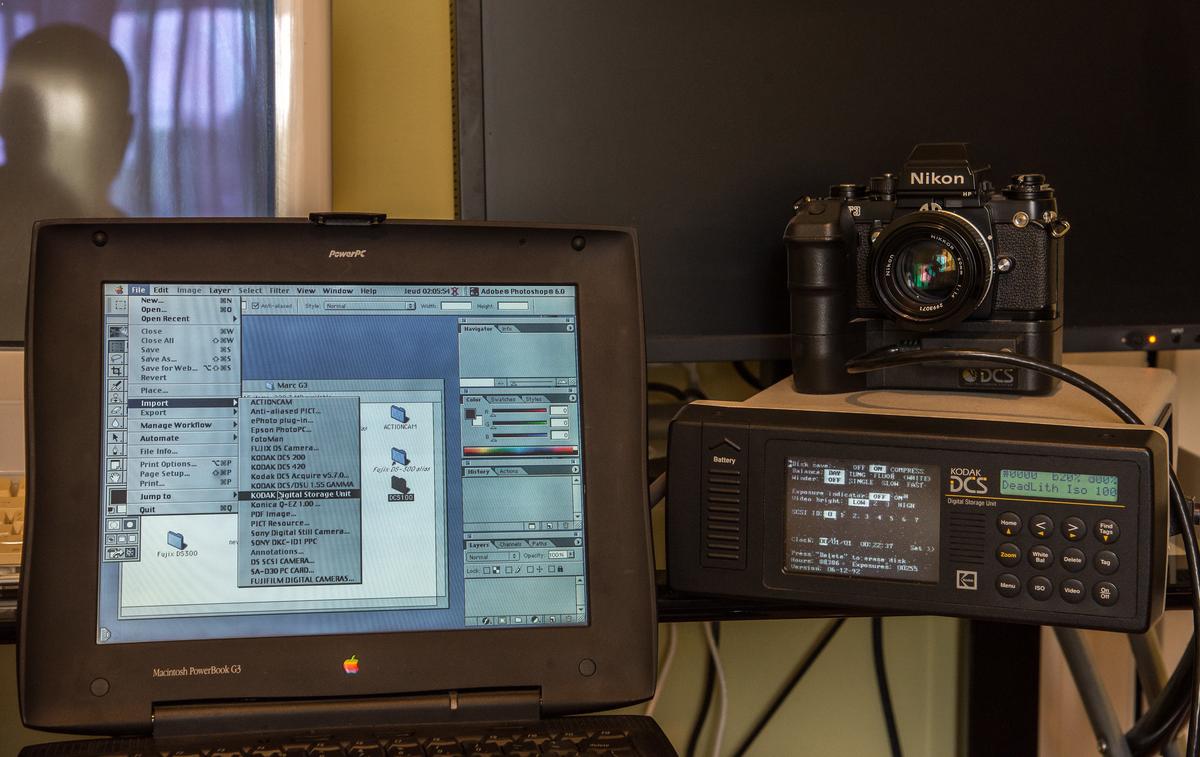
    The system was distinguished by an unconventional architecture: image capture occurred in the camera body, while image storage and initial processing were handled by an external Digital Storage Unit (DSU), connected by cable and equipped with a 200 MB hard disk. This configuration allowed the storage of several hundred images, a decisive advantage for press photographers compared to the limitations of film.
    Intended primarily for news agencies and photojournalists, the Kodak DCS 100 enabled much faster image delivery and significantly reduced publication lead times. Its price—approximately US $20,000 at launch—restricted its adoption to institutional and professional users. Between 1991 and 1994, an estimated 1,000 units were produced and sold.

    Although quickly surpassed in technical terms, the Kodak DCS 100 laid the foundations of the modern DSLR. It demonstrated the practical viability of digital sensors in professional reflex cameras and initiated an irreversible transition toward fully digital photography—one whose consequences continue to shape photographic practice today.

    Kodak DCS 100 .jpg

    Obsession
    www.flickr.com/photos/maoby/albums/72157632746948711/

    Kodak DCS 100 .jpg

    JPG, 200.0 KB, uploaded by Maoby on Jan. 13, 2026.

    Kodak DCS 100 Pro Digital Camera (1991).jpg

    JPG, 910.8 KB, uploaded by Maoby on Jan. 13, 2026.

  • Members 646 posts
    Jan. 13, 2026, 8:05 p.m.

    Hi,

    Seems like it was a lot longer ago than 35 years....

    Well, as the frog said: Time's fun when you're having flies! ;)

    Stan

    Amateur Photographer
    Professional Electronics Development Engineer

  • Members 1665 posts
    Jan. 13, 2026, 11:46 p.m.

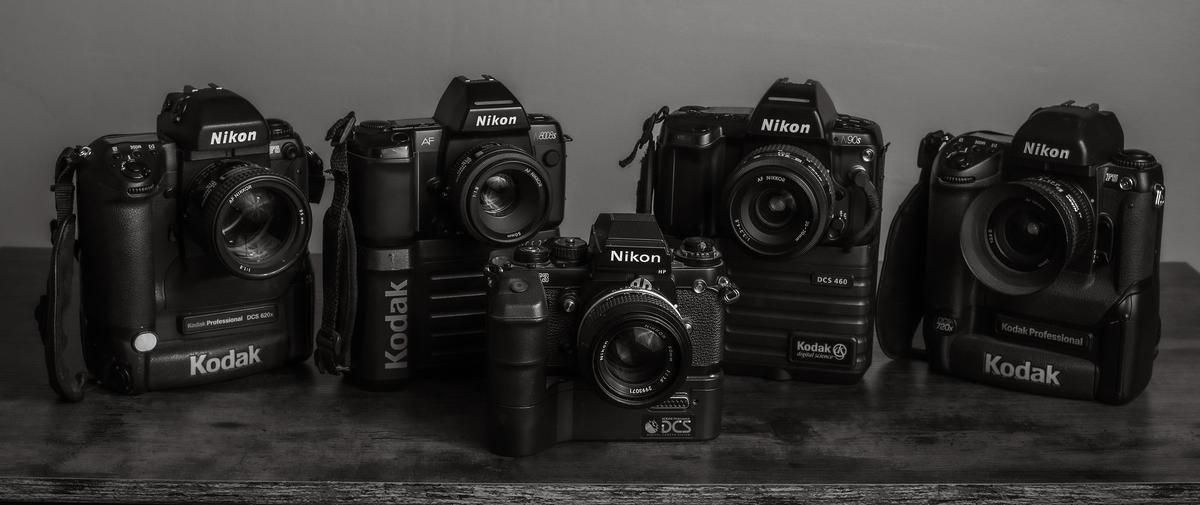
    Don't forget that the Nikon F3, which serves as the basis for the DCS 100, dates from 1980 (46 years old).

    Kodak DCS 100 Pro and these descendants.jpg

    Kodak DCS 100 Pro and these descendants.jpg

    JPG, 309.3 KB, uploaded by Maoby on Jan. 13, 2026.

  • Members 1739 posts
    Jan. 14, 2026, 12:53 a.m.

    I am quite in awe of what has been achieved over the years in miniaturisation of technology and manufacturing of same. Plus digital electronics.

    It is quite funny how on some forums various people whinge and argue about aspects of their cameras, with absolutely no comprehension of what lies under the bonnet...

    We are just so fortunate that these tools have been made available to us...

  • Members 1665 posts
    Jan. 14, 2026, 4:44 p.m.

    I can only agree with you on this. 😉

  • Members 646 posts
    Jan. 15, 2026, 3:11 a.m.

    Hi,

    Let us move the guts from a modern mirrorless to a fanny pack. See how that flies. :P

    But that is how it was done early on. Not just the Kodak models that predated the DCS, but the video cameras prior to camcorders as well.

    Stan

    Amateur Photographer
    Professional Electronics Development Engineer

  • Members 646 posts
    Jan. 15, 2026, 11:55 a.m.

    Hi,

    I just realized...the pics show only the camera half of the DCS 100. The Data Storage Unit isn't shown. That slung over the shoulder and had an umbilical cable to the camera.

    So my comment about part of a modern camera in a fanny pack won't make any sense.

    Stan

    Amateur Photographer
    Professional Electronics Development Engineer

  • Members 1665 posts
    Jan. 15, 2026, 7:11 p.m.

    It's true that I didn't understand anything in your message.
    « Let us move the guts from a modern mirrorless to a fanny pack. See how that flies. :P »

    I was about to ask for clarification when I saw your last message.

    Here are some photos for clarification. 😉

    Kodak DCS 100  (1991).jpg

    Kodak DCS 100 Pro Digital Camera (1991).jpg

    49388694051_8407f77434_3k.jpg

    14350395138_70d181e567_k.jpg

    47954920711_f12bb02f06_3k.jpg

    51369963071_dee3ffe72c_3k.jpg

    51369963071_dee3ffe72c_3k.jpg

    JPG, 1.3 MB, uploaded by Maoby on Jan. 15, 2026.

    47954920711_f12bb02f06_3k.jpg

    JPG, 2.9 MB, uploaded by Maoby on Jan. 15, 2026.

    14350395138_70d181e567_k.jpg

    JPG, 2.8 MB, uploaded by Maoby on Jan. 15, 2026.

    49388694051_8407f77434_3k.jpg

    JPG, 2.0 MB, uploaded by Maoby on Jan. 15, 2026.

    Kodak DCS 100 Pro Digital Camera (1991).jpg

    JPG, 5.3 MB, uploaded by Maoby on Jan. 15, 2026.

    Kodak DCS 100 (1991).jpg

    JPG, 177.4 KB, uploaded by Maoby on Jan. 15, 2026.