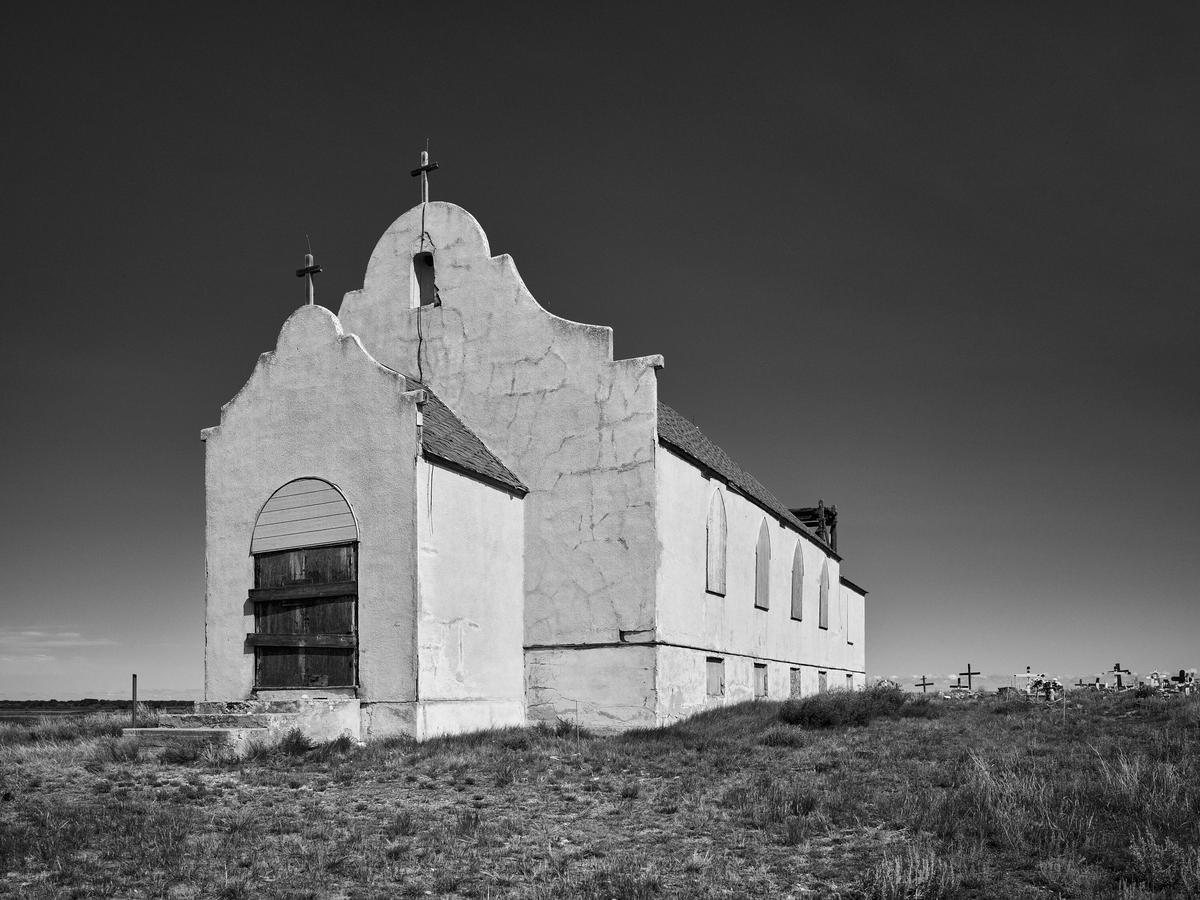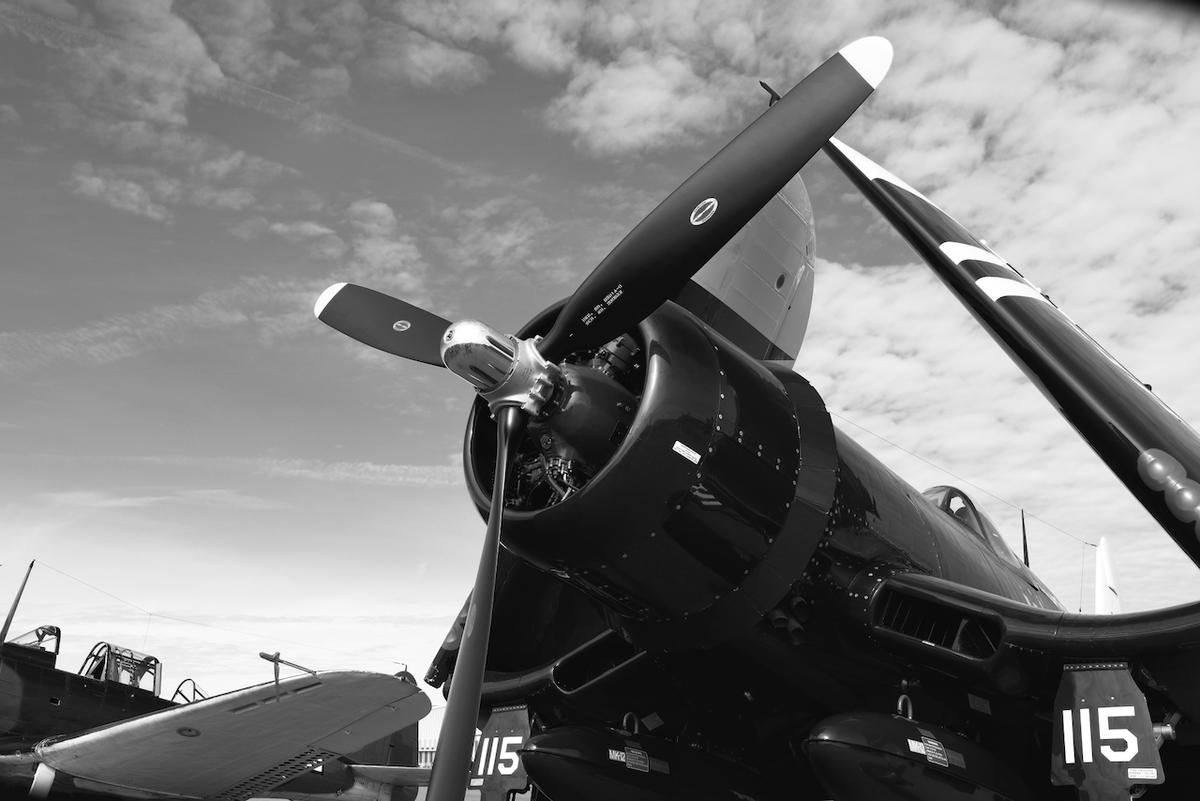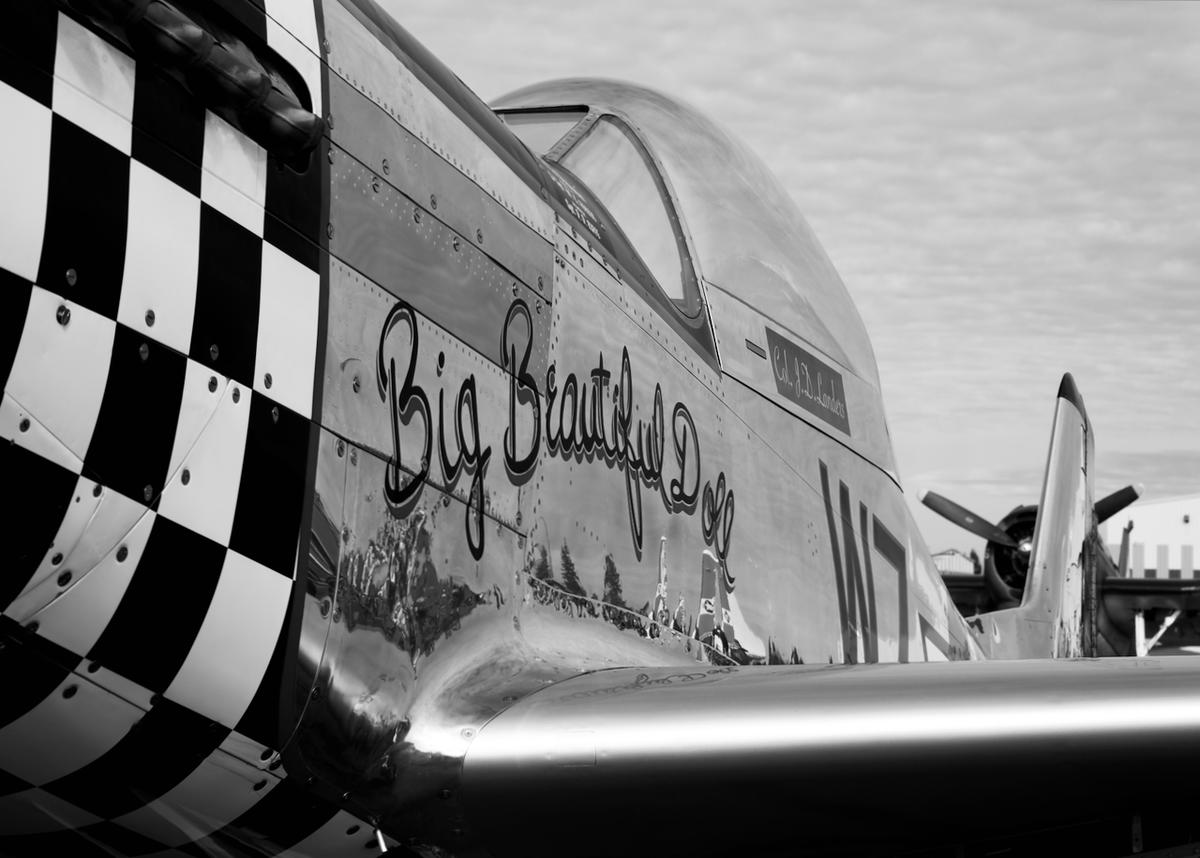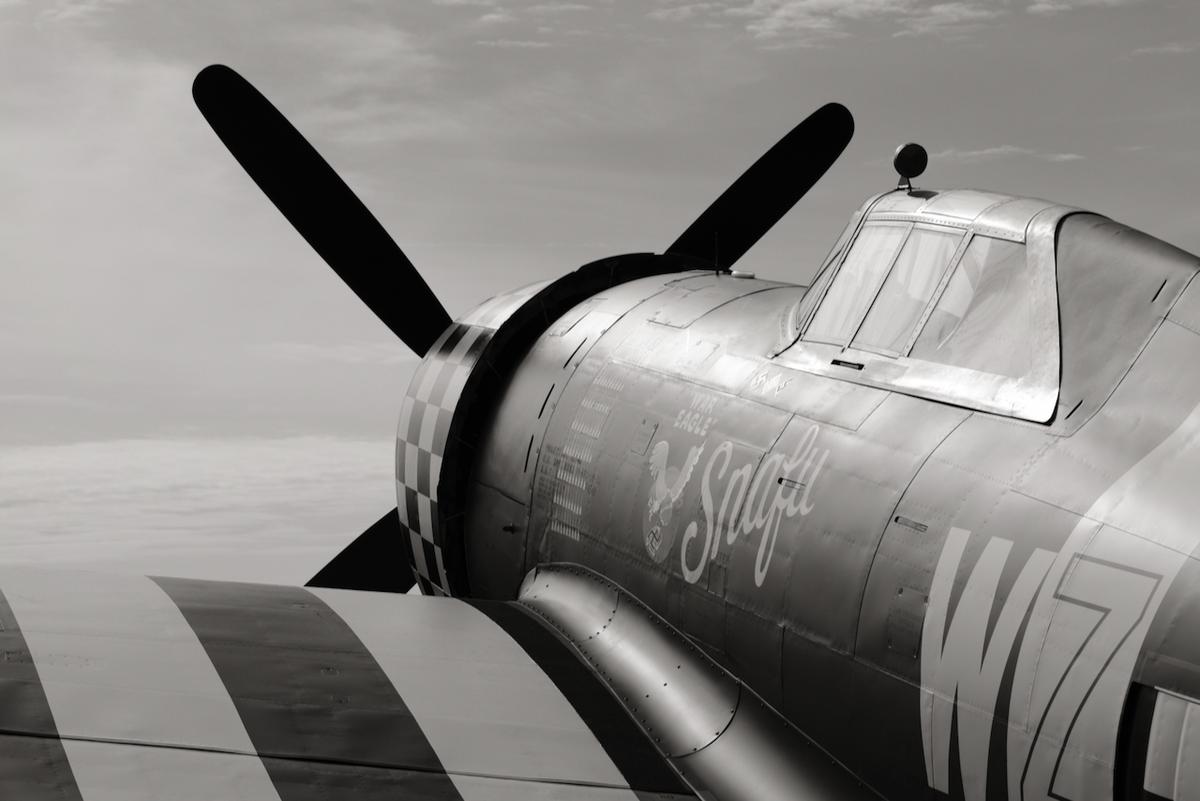
Welcome to the Weekly Black and White Photography Thread
We’re dedicated to fostering discussions about Black and White photography. This open peer-to-peer forum allows critical feedback on images, leading to discussions on techniques, styles, interpretation, and storytelling. The first few weeks response has been outstanding - keep them coming.
It’s easy - To participate: post an image or essay with a title, short description, and explanation. All comments must include the image or essay as a quote. Replies may or may not include quotes.
THREAD GUIDELINES:
1. This thread is for learning about Black and White photography.
2. Post one image or photo essay for comments.
3. Entries can be single images or short photo essays (3 to 10 connected images that tell a story).
4. Give your entry a clear title and explain why you took it and the story it tells.
5. Provide constructive feedback on others’ images/essays.
6. Go beyond simple praise or dismissal.
7. Explain why you like an image or essay.
8. Negative feedback is welcome (be polite, honest, and constructive).
9. Stay on topic and avoid politics or distractions.
We refine our skill-craft through feedback - Analyzing prints pinned on the virtual wall is our approach, but discussions of styles and techniques are also acceptable. While most images are captured digitally, Black and White film can also discussed. The focus is on image.
Post a photo or photo essay and get comments and feedback. In return, give honest but constructive opinions of others’ images. A simple “like” is insufficient. There are multiple levels of feedback: composition, technique, emotion and storytelling, etc.
What caught your eye about an image and why? What draws you in and what distracts you? What changes would you make? Does the photographer tell their story? Does the image communicate their viewpoint or emotion? As W. Eugene Smith said, “A photo is a small voice, at best, but sometimes – just sometimes – one photograph or a group of them can lure our senses into awareness.” Does the image meet Smith’s criteria?
Explore the image in your head, considering composition, perspective, toning, balance, exposure, and tonality. Consider the story, emotion or opinion the artist is trying to communicate. Provide feedback.
Downloading and reposting - (please note: clear instructions are required). It’s often challenging to verbalize useful comments about images. Instead, it’s easier to “show.” Unless the original poster specifically states otherwise, participants are free to download, alter, and repost images in replies to express their analysis and critique. The reposted image may remain permanently or be removed after a short period. Downloaded and altered images shall not be used for other purposes or uploaded elsewhere.
Encouragement - When I first pinned a print on the cork-board for the professor and class to analyze, I was apprehensive. However, it proved to be an effective way to learn and develop my skills and vision. Well reasoned analysis and comments aid the artist in improving their vision, skill, and style. The goal is to promote and encourage people to enhance their artistic vision and skill in Black and White Photography by providing constructive feedback. General feedback is also welcome. Sharing techniques for capturing or processing images that aid in creating good Black and White images or photo essays is appreciated in replies.
Why focus on Black and White - As Elliott Erwitt said, “Color is descriptive. Black and White is interpretive.” It’s an abstraction that simplifies photography by focusing on composition, forms, shapes, tonality, textures, and emotions. Ansel Adams famously said, “You don’t take a photograph, you make a photograph.”
Clyde Butcher talks about the hundreds of photographers who flock to Inspiration Point in Yosemite National Park for the “golden hour.” However, the composition at sunrise is poor. For Black and White, it’s not about the color of the light, but the quality of the light. Ansel Adams arrived midmorning when the light was “right” to produce his iconic images. His iconic book, “Yosemite and the Range of Light,” had a significant impact on conservation and environmental movements in the West. It also attracts thousands of photographers each year to capture the “Range of Light.”
Nick Ut’s “Napalm Girl” captured the horrors of the Vietnam War and profoundly impacted the United States. Stripped of distractions, the image exposed the terror in the children’s faces, prompting critical questioning of government actions. W. Eugene Smith’s “Minamata” warned the world. It exposed a corporation poisoning water and killing residents, highlighting the suffering of the Minamata community for profit. William Henry Jackson’s photographs convinced Congress to preserve Yellowstone as the first national park, leading to the creation of the National Park Service and commitment to wild land preservation.
aboutphotography.blog/blog/the-terror-of-war-nick-uts-napalm-girl-1972
www.magnumphotos.com/arts-culture/society-arts-culture/w-eugene-smith-minamata-warning-to-the-world/
www.pbagalleries.com/first-photographic-images-of-yellowstone/
Black and White strips away distractions to expose emotions. It tells unique stories in various photographic genres, from landscapes to social documentaries to portraiture. Check out Annie Leibovitz’s Black and White work.
blog.artsper.com/en/a-closer-look/why-artists-choose-black-and-white-photography/
fstoppers.com/fashion/why-its-still-important-shoot-black-and-white-48141
www.designspiration.com/save/1600176374707/
Another resource is the “Daybooks of Edward Weston,” though dated, still relevant.
Additional Resources - It is encouraged to discuss additional resources on Black and White photography in posts, whether in your images or commenting on others’ when those resources aid in the goals of the thread.
Growing Together - The Black and White thread focuses on growth and learning together. Be active, honest, and respectful.