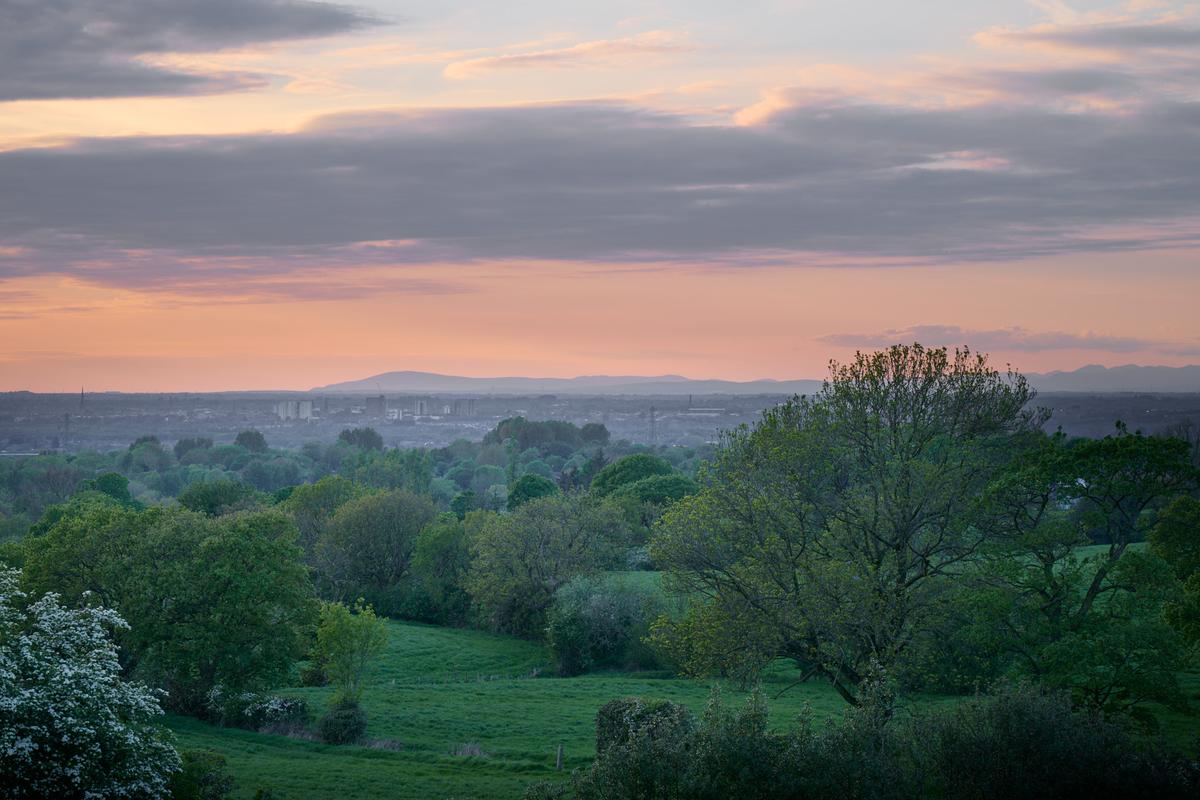
This sort of subject is difficult. I like this one the most.

May 16, 2026
31
-
-
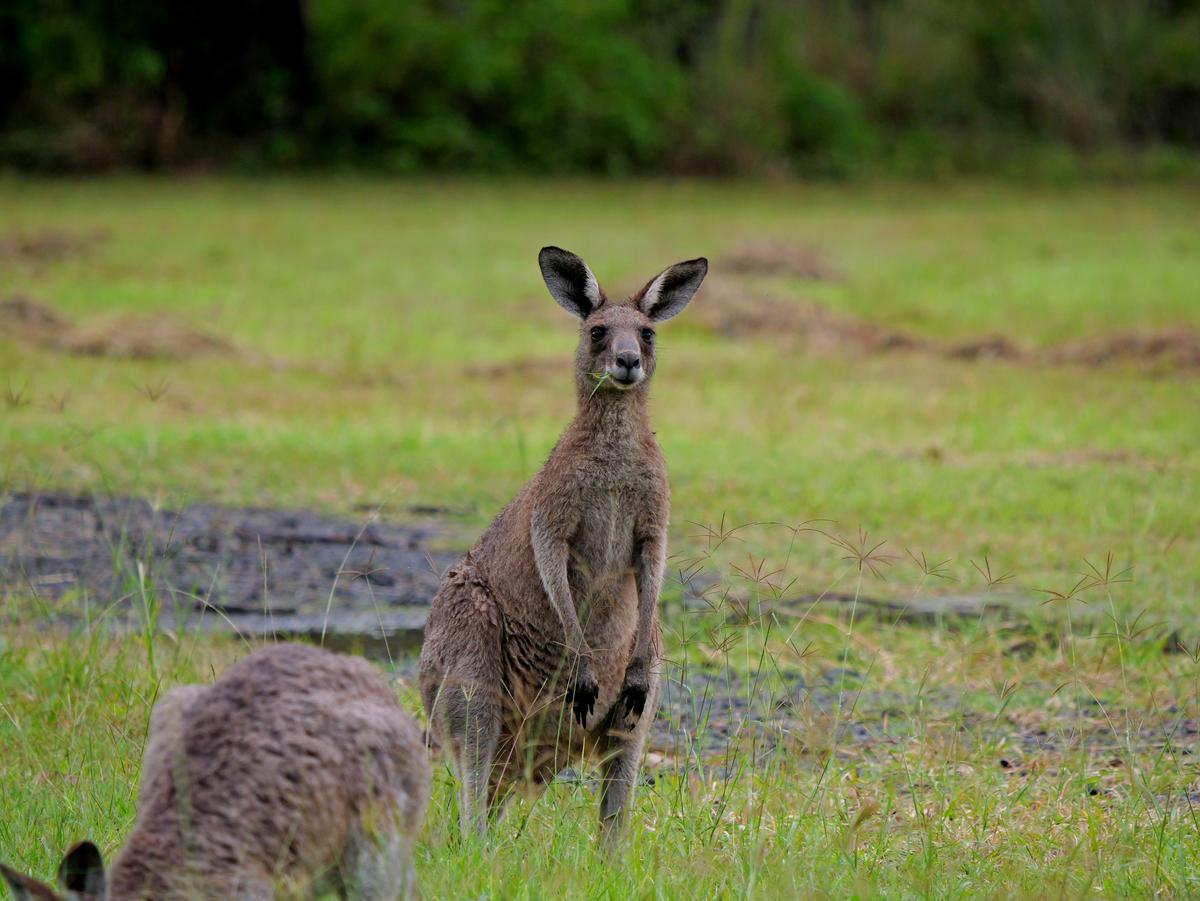
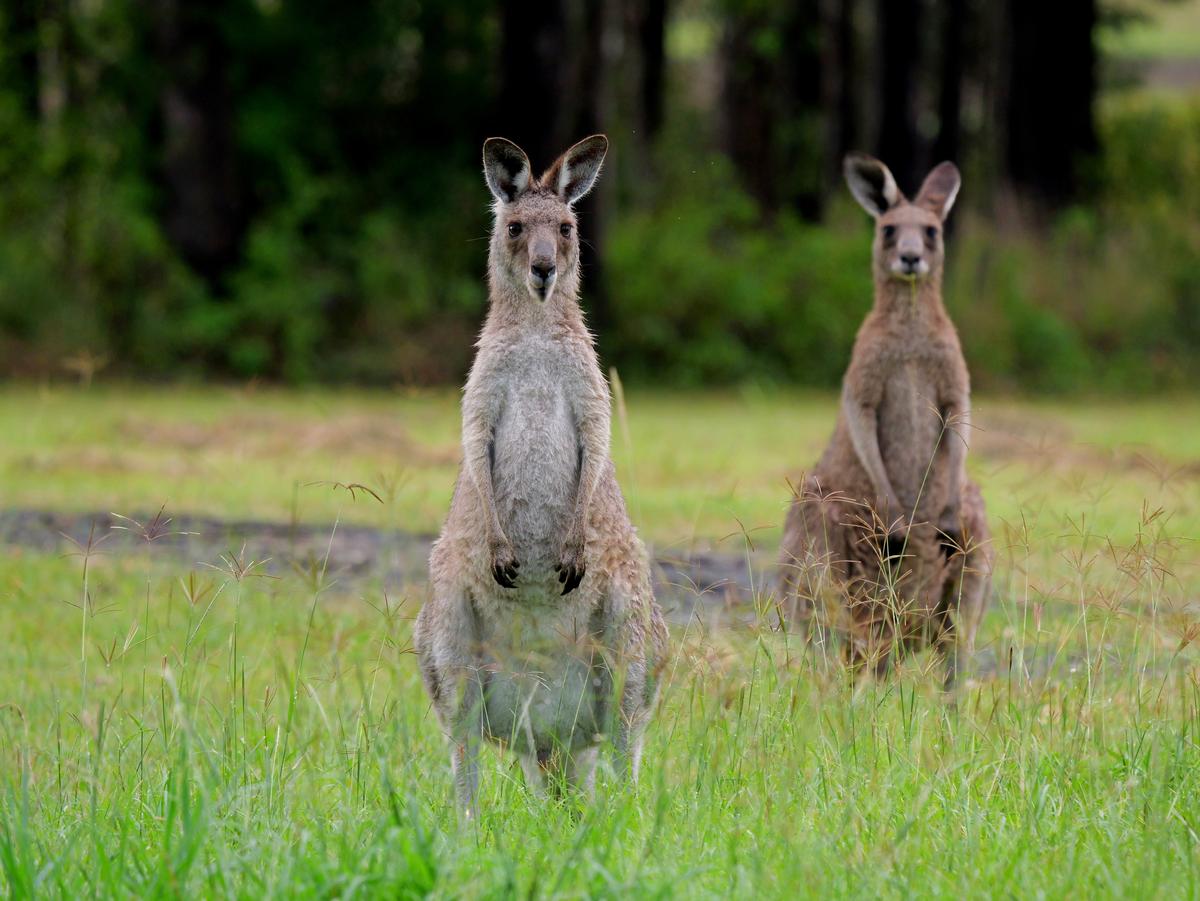
I have been wanting to get some shots of the kangaroos / wallabies reasonably close for ages but normally can't get closer than about 100mtrs when I am walking about (it is said their eyesight isn't very good but they must make up for it with their hearing). So I was surprised when a few hopped into view less 50m away from my verandah. I expected them to leave quickly from the slightest sound but they hung around and I managed to sneak inside and get my camera. I also managed to get the dog to sit down and stay (she chases them - thinks they are a threat).
Was horribly overcast and not many were very well focused but managed a couple.
I think they are Eastern Greys but not 100% sure... -
Yes. I'm glad we don't actually live in the LDNP - far too much traffic and humanity, but these views are a gift (when we can see them!)
-
I love this one. It's a little bit eerie, as though they mean you harm. Maybe I need counselling.
-

It seems like your destiny was to make these photos, the satnav and the local lady cant be a coincidence :)
I can’t understand why churches have so many gory scenes; they’re supposed to be places of peace and calm, aren't they? -
It is a very nice use of BW.
-
This is incredible. You’ve definitely nailed the movement here.
-
They look very alert on the second shot. I always find kangaroos scary !
-
They even stood to attention for you. Fascinating creatures.
-
Not just gory stuff. They loved a bit of porno too. Look at the last picture with the well endowed fellow. Or the twin tailed mermaids.
Seriously, these people lived brief often violent lives. Most of this imagery depicts a fight between good and evil in a way the people could understand. There was no place for happy clappy guitar playing and singing in the medieval church.
-
Thanks. ICM is trickier than it looks at first sight. There are always many, many rejects 😁 Not something to be attempted with film!
-
Sometimes they can look cuddly and cute - maybe the light didn't help with these. Plus they knew I was there so I guess they were a bit hyper alert. They are a flight animal which will leave if they sense danger but will defend if attacked. Their front claws are sharp and it is said they can leave quite nasty scratches - also can balance on their tail and kick pretty hard. When they are domesticated or acclimatised to humans they are pretty harmless. There are at least two family groups around here and I hope they might eventually get used to me.
-
Very true. And there wasn't the science to explain things back then although I believe people in that environment were more in tune spiritually - nothing like the fear of being eaten by a lion to keep one sharp...
-
Mucho Moors-o
In a couple of surprising bouts of energy I managed to drag myself out for not one, but two long (> 6 miles) walks on the moors this week. I've mostly spent the rest of the week sleeping.
Darwen Moor
It's been several years since I last visited Darwen Moor and its distinctive Jubilee Tower. On that occasion I clocked up around 12 miles walking there and back from White Coppice on a spring day that had all of the weather (sunshine, rain and even snow!). Such seemingly Herculean feats are beyond me these days, but I managed to amass enough motivation to attempt a route across Darwen moor to the tower from the Crookfield car park near Roddlesworth. This route has a steep start, with a sharp ascent up to the moors via the Witton Weavers Way, but with that out of the way, it's mostly just a long gradual ascent up to the tower which is situated close to the summit of Darwen Hill.
As I knew I had a long walk ahead of me, I decided to travel light and just took the little X-T50 with the chunky, but manageable 16-55 f/2.8 and a circular polariser. For the most part I had it set to Acros+R when taking these images as I think shooting through a black and white viewfinder helps to aid composition by removing colour from the equation, although I've largely processed the images using Capture One's Film Standard profile as a starting point.
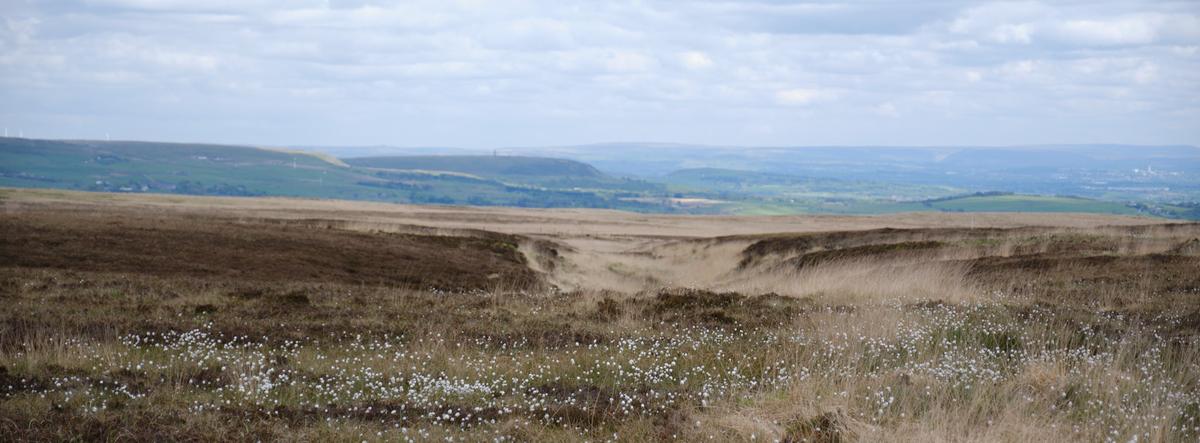
The View To The East(ish)
This is looking across the moors towards the distant Holcombe Moor. When you're on a barren moor, any feature tends to draw your eye, so I was largely interested in the big ditch snaking across the moor here as well as the every reliable cotton grass, so I'm not even sure that I spotted the prominence of Peel Tower on the distant hill at the time.
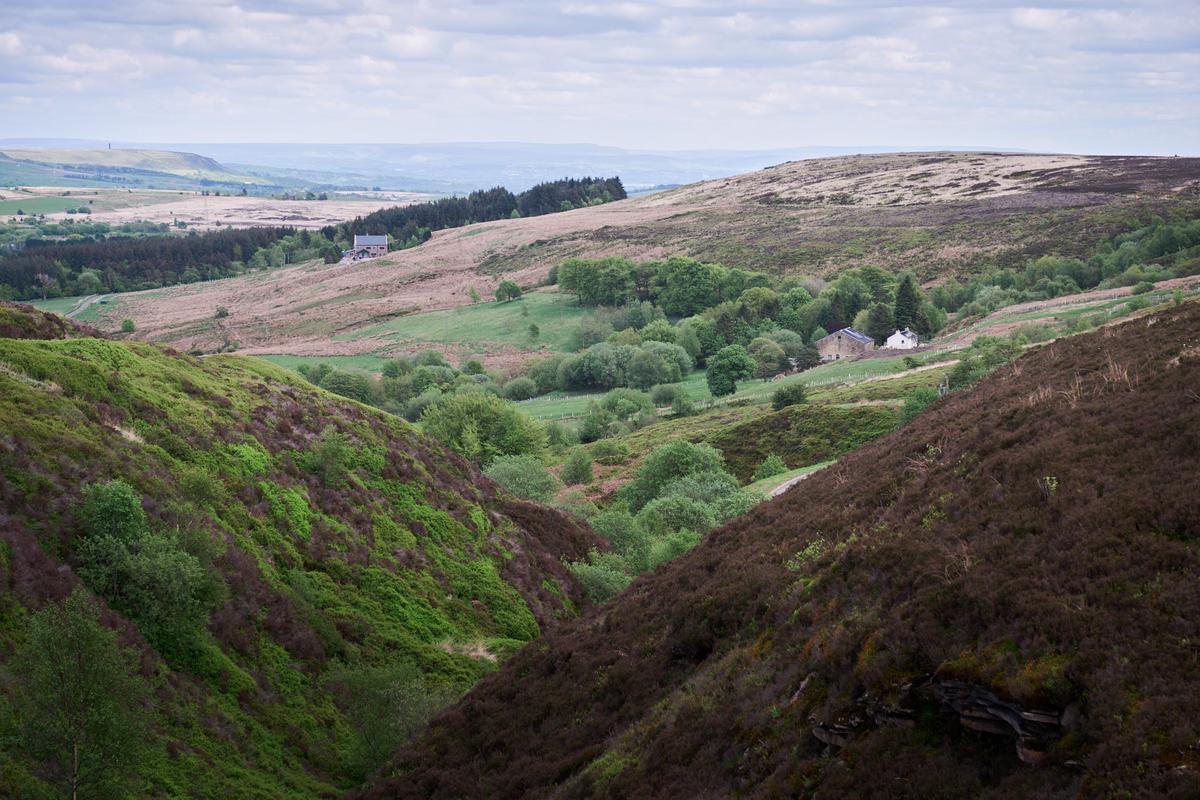
Duckshaw Clough
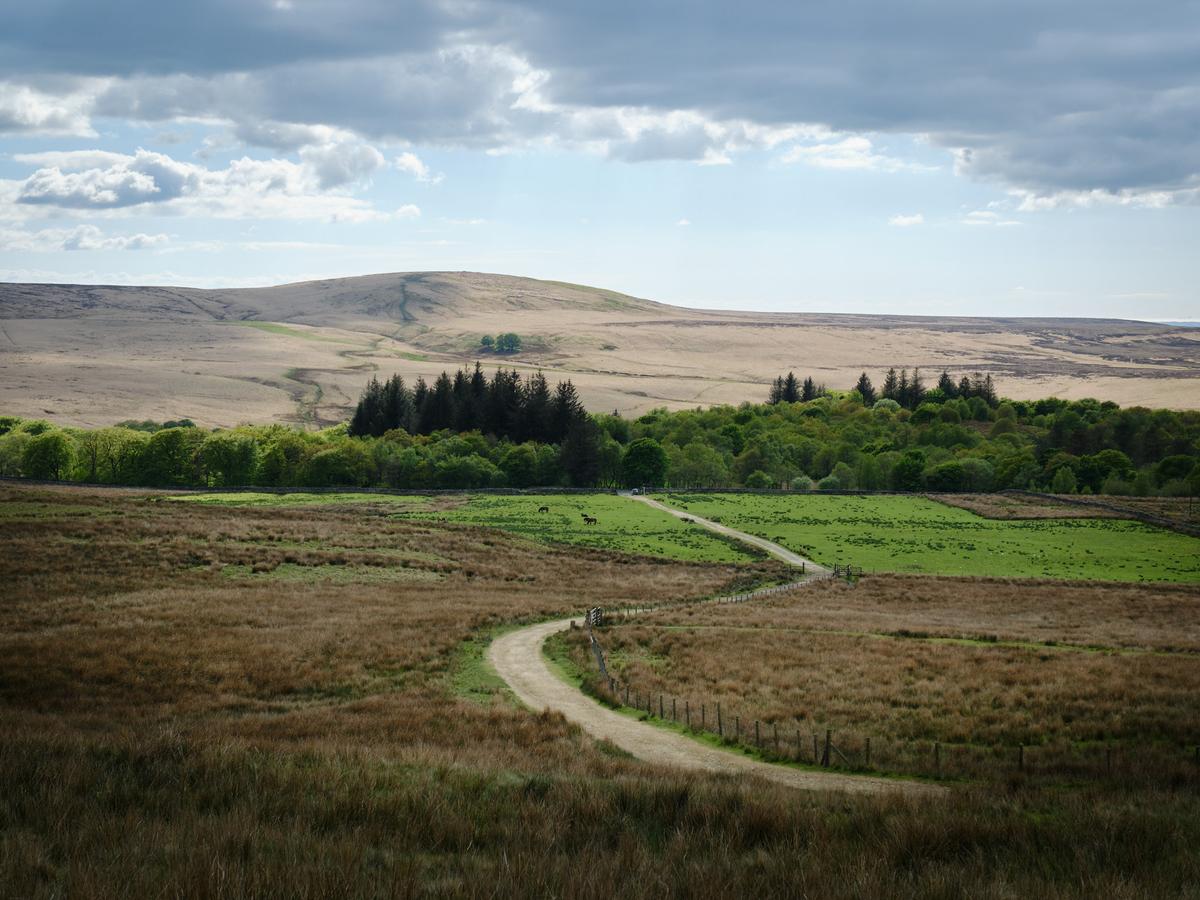
While Darwen Moor is largely a flat topped hill, it riddled with little brooks, bogs and peat hags, so just spying the tower and walking in a straight line towards it is out of the question if you're not looking to get a first hand account of the Lindow Man experience, instead I stuck to the paths, which somewhat zig-zag across the width of the moor, leading unavoidably a little way down into Duckshaw Clough before rising once more to the upper reaches of the moor. The buildings nestled beneath the hill on the right are Duckshaw Farm.
The Tower Reveals Itself
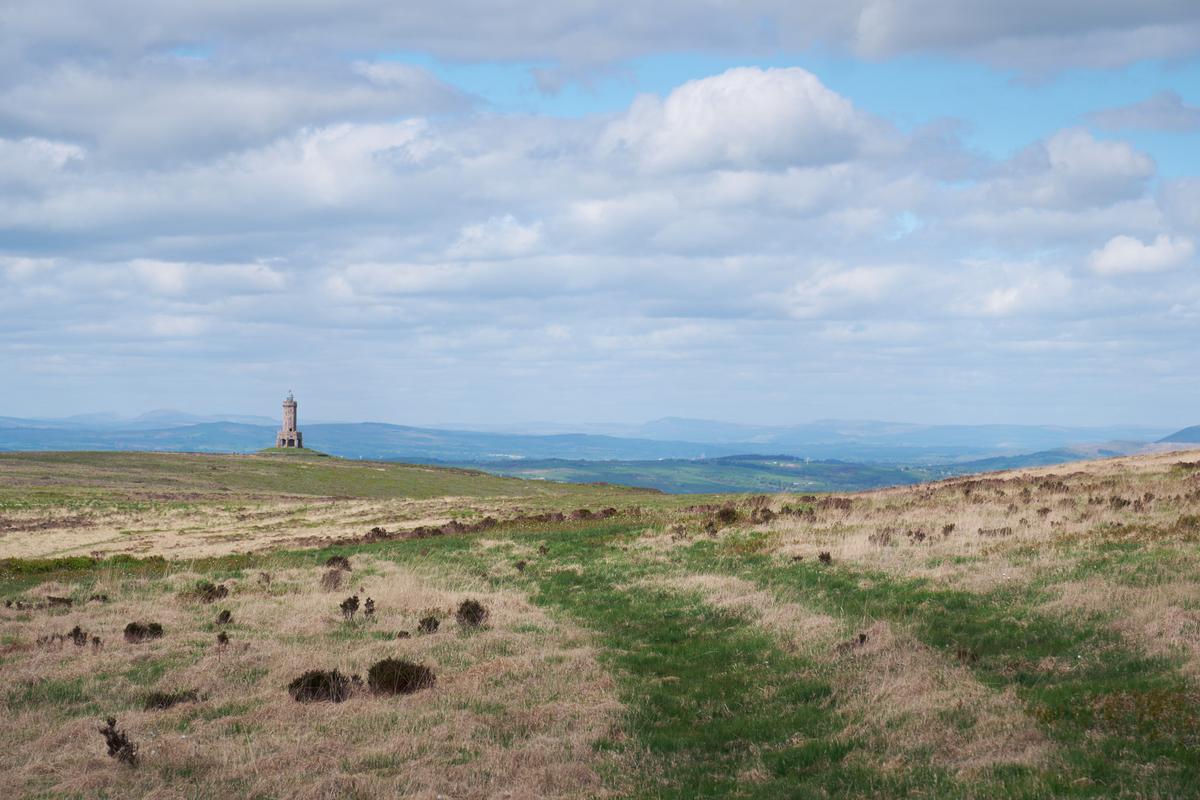
Once I'd crossed Duckshaw Clough and walked a little way back onto the moors the Jubilee Tower was in sight. Despite not really looking too far away, it seemed to take me an absolute age to get there.
The Jubilee Tower
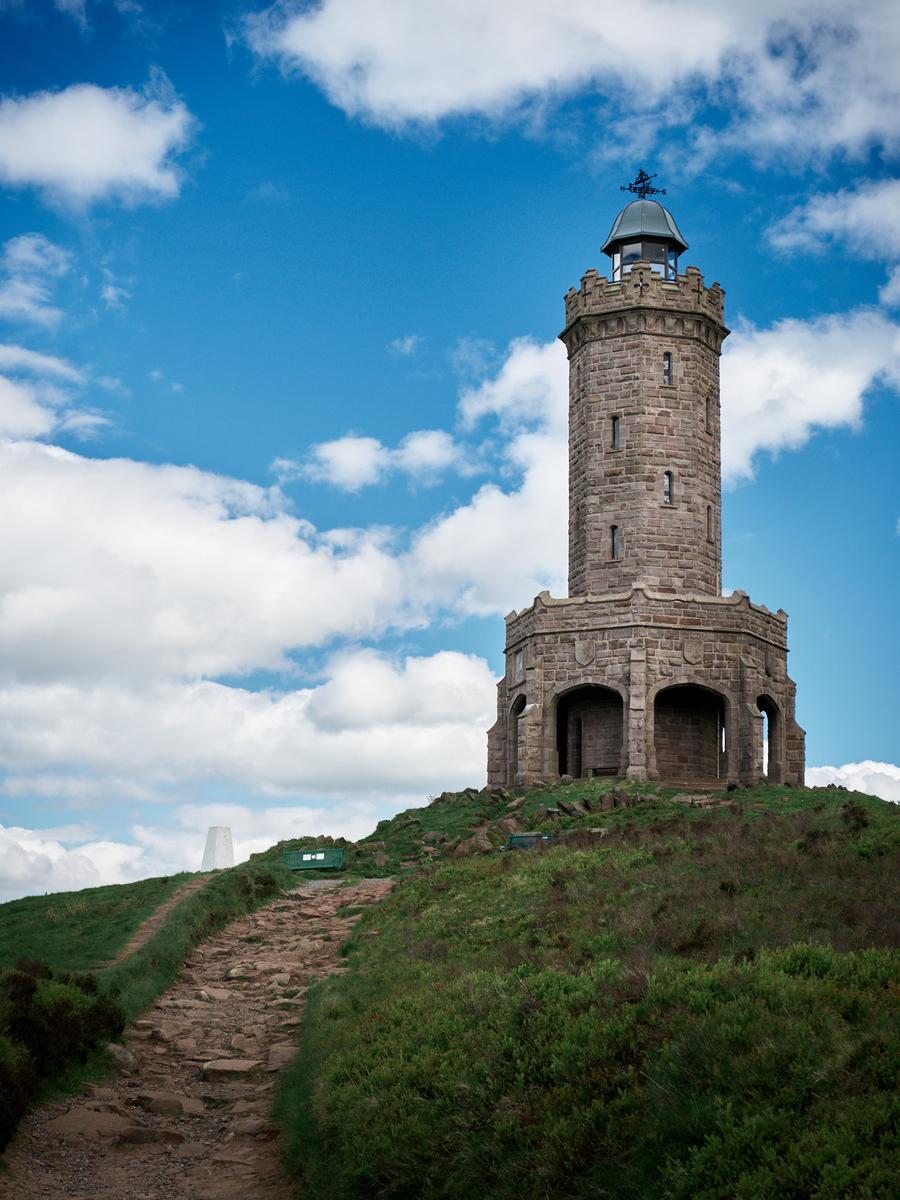
Known locally as Darwen Tower, the Jubilee Tower was built to commemorate the diamond Jubilee of Queen Victoria. Completed in 1898, it also commemorates the victory of locals regaining access rights to the moor after the lord of the manor closed off paths to restrict access and reserve the land for game hunting. The tower sits at 1,220ft above sea level and is 85 feet high, although it seemed much higher as I climbed the dimly lit winding stone steps within. There are extensive views from the top in all directions, although they didn't appear particularly photogenic on the day I visited.
Great Hill
This is (for me) an unfamiliar view of Great Hill looking West. As I live on the other side of it, I'm more used to seeing it from there where it seems less prominent in the landscape than it did here as I made my way down from the moors close to Cartridge Hill.
Winter Hill via Smithills Moor
For my second big walk this week, I was in uncharted territory. Having seen a route taken by a local walking group on one of their recent hikes that they posted on Facebook, I decided it looked interesting enough to give it a go. So, having transcribed the six mile route into my Garmin GPSMap device I set off on a bright, but chilly afternoon to the sizeable car park in Smithills Country Park, the starting location for the walk. Although I've been to the summit of Winter Hill a number of times, I'd never approached it from this direction before, so it was interesting to explore somewhere new for a change.
After not finding the Darwen walk too demanding, I decided I could probably manage a slightly bigger camera on this trip and took the Nikon Z8 + 24-70 f/2.8S as well as the usual magnetic CPL.
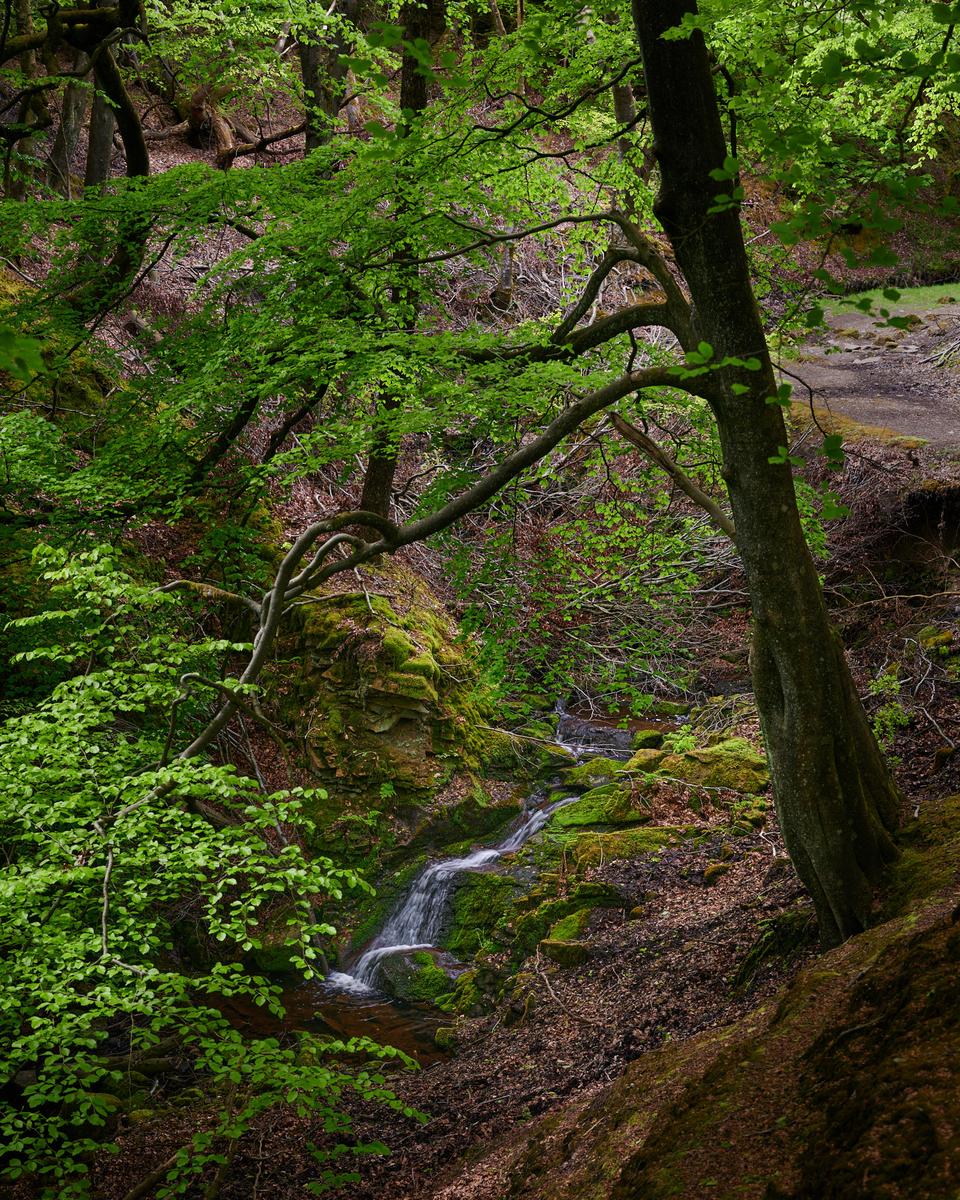
Smithills Woods
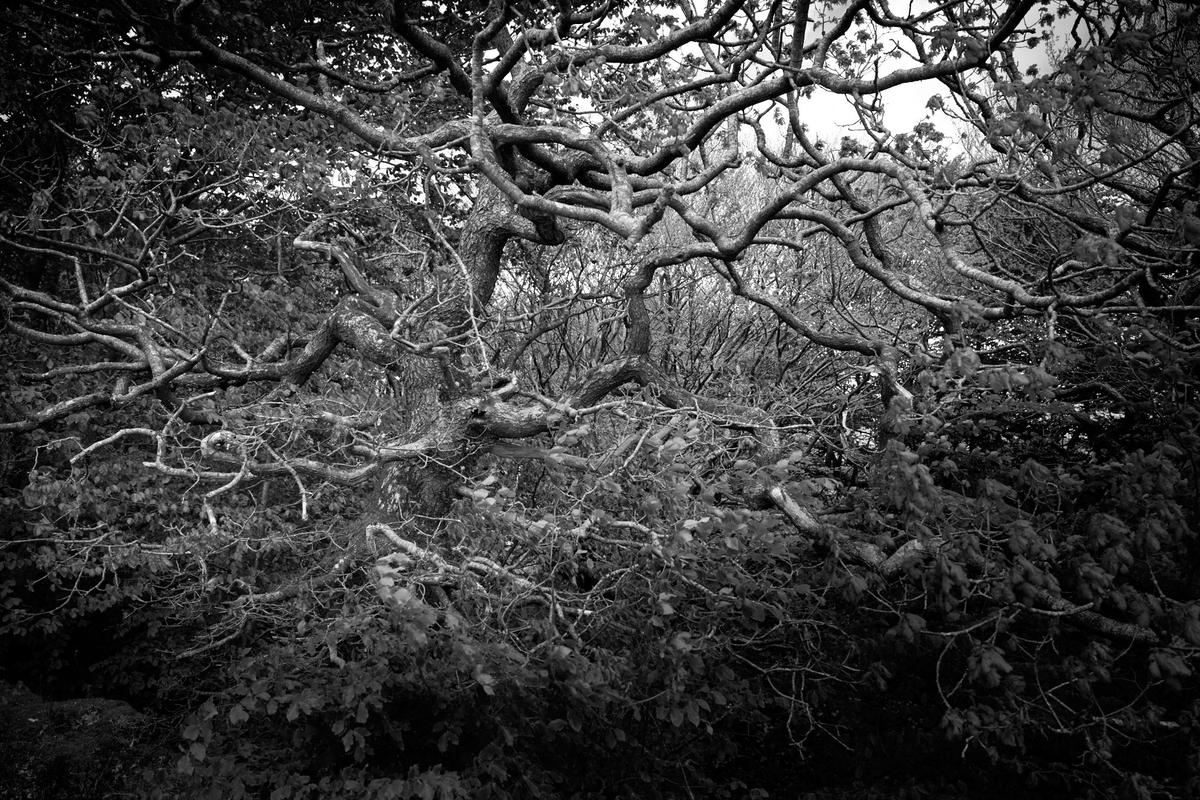
The first part of the walk took me through some quite nice woods, along path following Dean Brook as it cascades down from the hills towards Bolton. I didn't linger too long in these areas as I knew I had a long walk ahead of me, but this may be an area worth revisiting for some woodland specific photography as it's quite easy to reach from the car park.
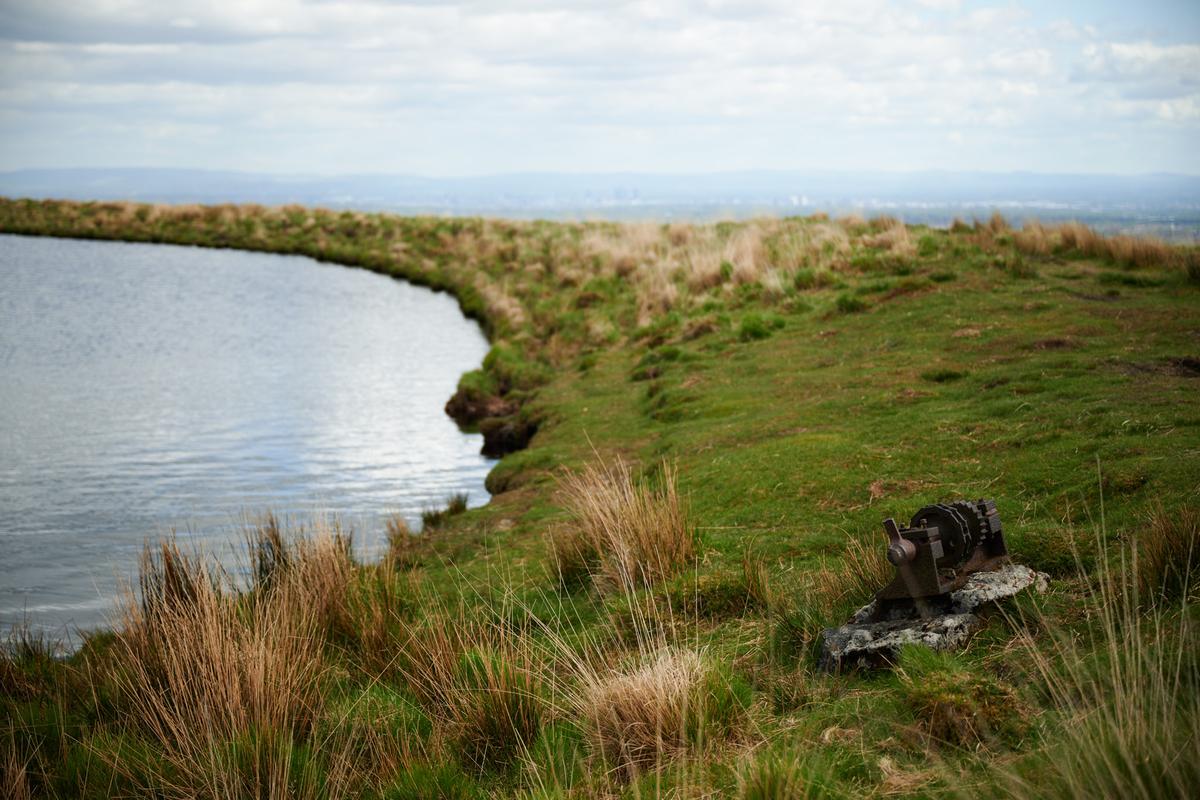
Dean Mill Reservoir
Once beyond the woods, my route took me on a steep ascent of Smithills Moor towards Winter Hill, but before the long slog across the moor, I took a brief diversion off the main route to visit Dean Mill Reservoir. This is accessed via a steep rocky path that head off up a hill in the opposite direction to the main Winter Hill path. Once you crest the hill the reservoir reveals itself, completely hidden from below. It's not huge, but tucked away as it is, it's difficult to get a full shot of without scrambling up on the hillside above it. This reservoir used to feed a 2nd reservoir just below it on the moor, but judging by the large 'V' shaped hole it appears the dam failed and the lower reservoir was lost. The higher one is still there though and could easily be mistaken for a tarn, although a singular piece of abandoned equipment gives a clue to its industrial past powering the former Dean Mills down in the valley below at Barrow Bridge.
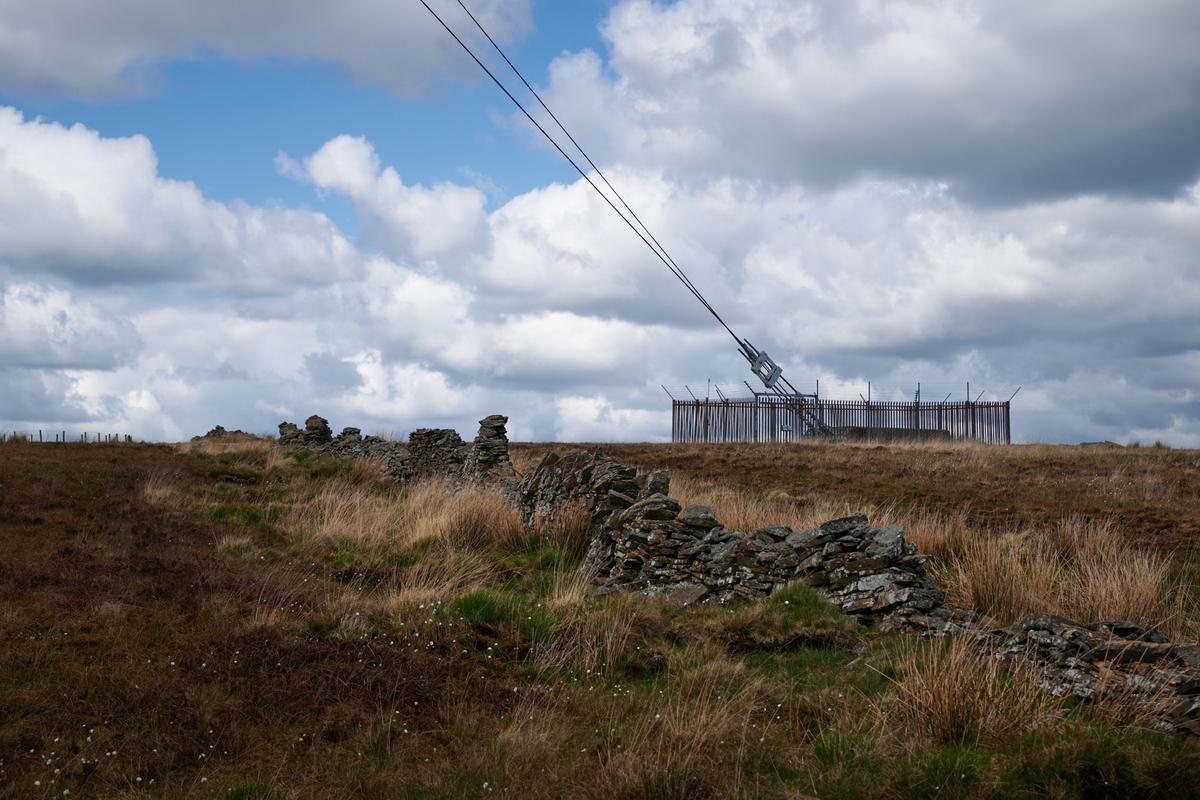
Anchors Aweigh
You can see the TV mast on top of Winter Hill from most parts of Lancashire, it's particularly prominent at night with its hazard lights lit, but it's only when you get up close to it that you realise just how massive it really is. There are 15 substantial anchors for the support cables that help to keep it upright, here's one of them beside a crumbling dry stone wall.
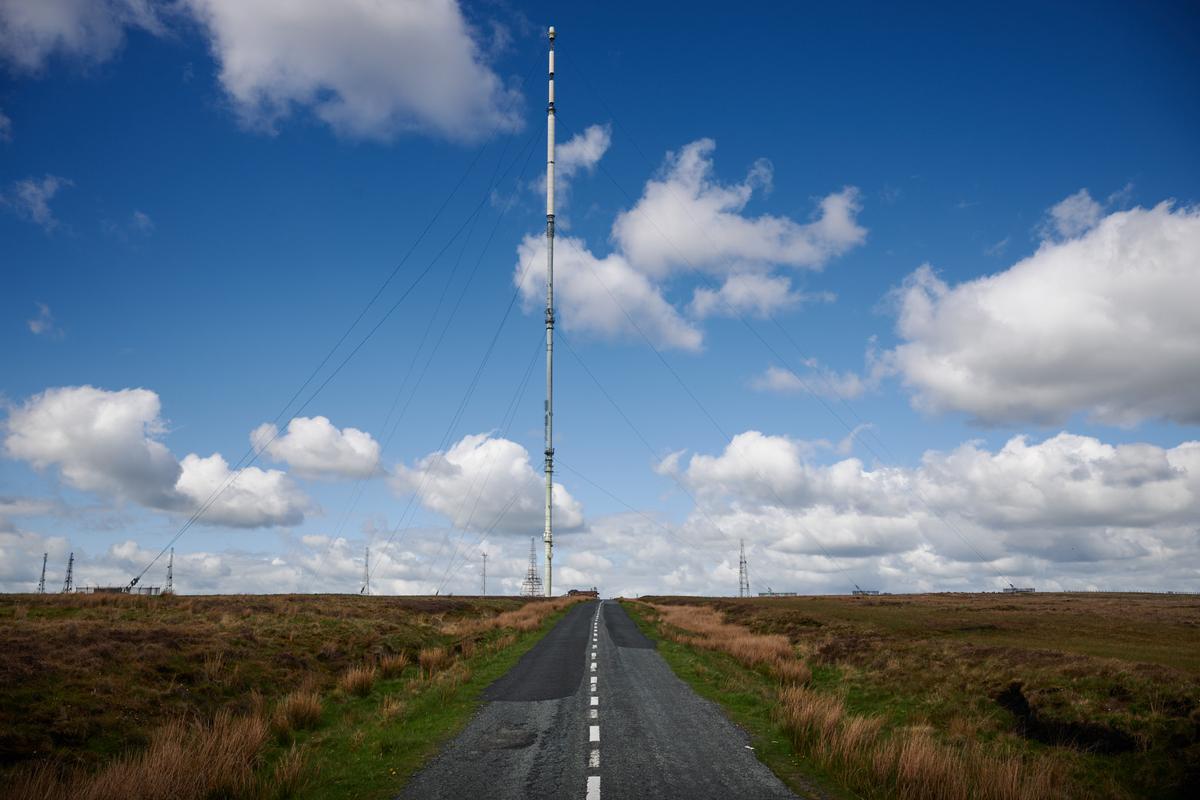
The Road To Nowhere
Well, technically, it's a road to the transmitter station. With the mast standing over 1,000ft high, I had to walk a considerable way down this narrow road before I could fit the entire height of the mast into the 24mm field of view (in landscape orientation) along with all 15 of its support cables and anchors.
Beyond Barriers
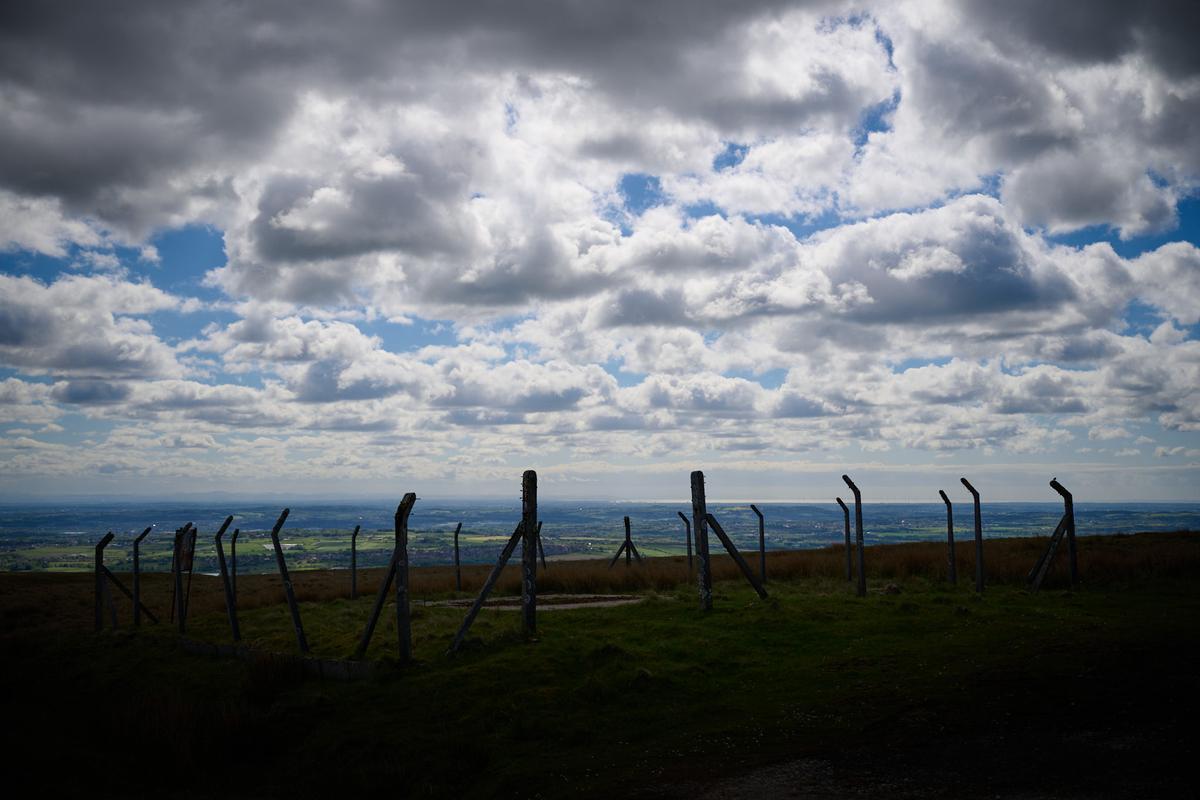
I'm unsure what this once fenced off area was for, it's beside the road at the point I took the previous picture. The wire fence has long gone, but the concrete poles still remain, surrounding what looks like a concrete pad. Perhaps there was once a shelter or gatehouse here at one time?
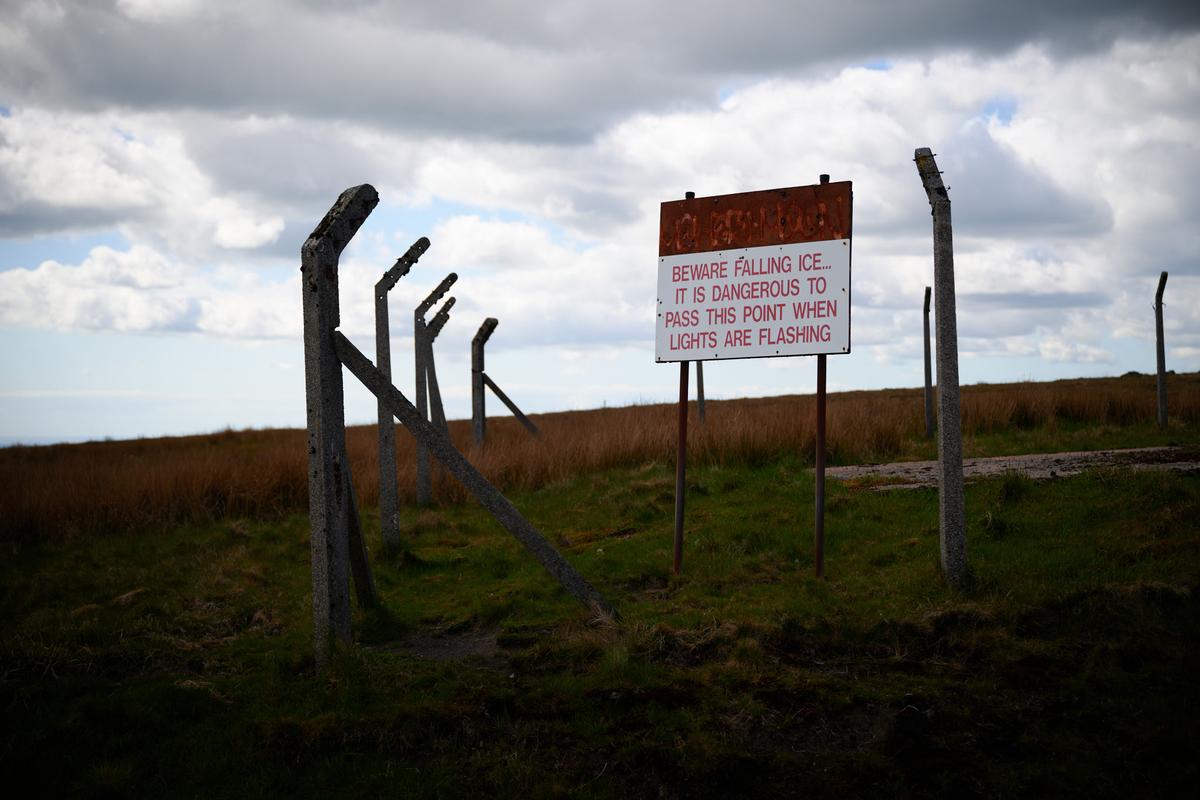
Warning
Apparently ice can form on the support cables in winter, falling in large pieces when it thaws or the wind picks up (the latter is difficult to spot as it's always windy up there) causing a serious risk of injury or death if you get clobbered by any of it.
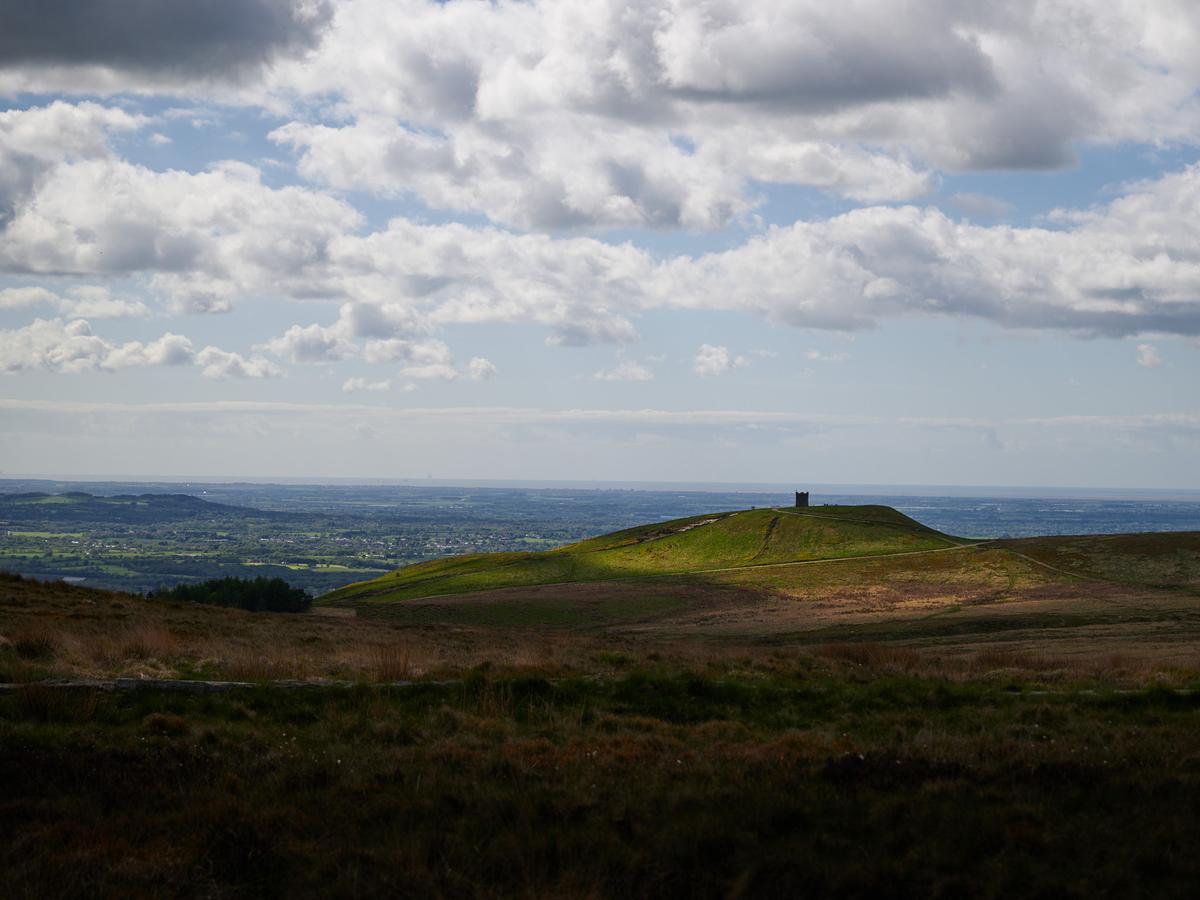
The Lesser Seen Side of Rivington Pike
I've previously featured Rivington Pike in many of my photos, but they're usually from the opposite side to this. The hillside Rivington Terraced gardens are built on lies below the far side of the hill the tower sits on.
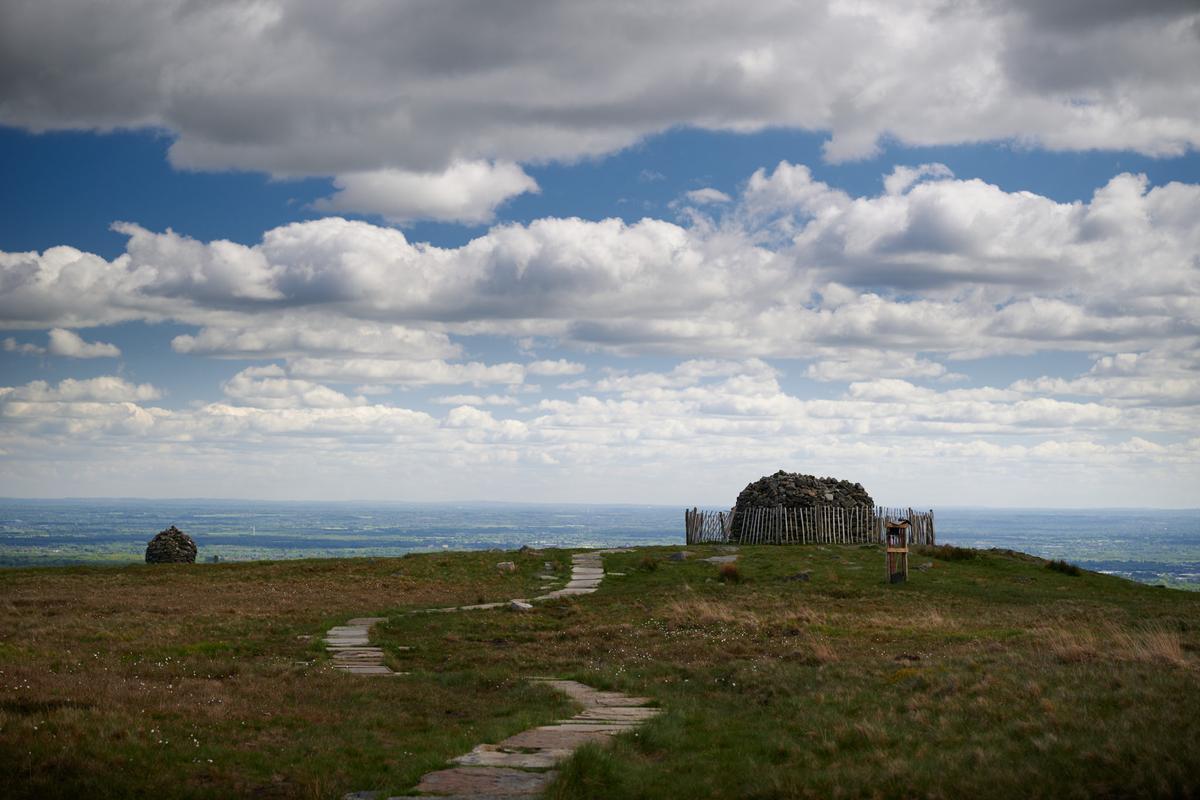
Two Lads
Two Lads are a group of cairns on an outlying summit of Winter Hill. Apparently the cairns mark the location of an ancient burial site, although there are conflicting tales around the origin of this site. It all seems a bit legendary. I believe there are actually three cairns, although I only spotted the pair pictured here, the larger of the two appears to be quarantined, probably for health and safety reasons.
Black Combe At Sunset
A bonus picture that's completely unrelated to these two walks. One evening, I revisited the quarry where I'd seen the Kestrels a couple of weeks earlier to see how they were getting on. The birds were a no-show, but as it was close to sunset, I took advantage of the raised vantage point at the top of the quarry to grab this shot of the distant silhouette of Black Combe looming above the shores of the Irish Sea at Millom. The setting sun was buried in the clouds a little way off to the left of the view shown here. Nikon Z8 + 70-180 f/2.8